US food company, General Mills Inc. (NYSE: GIS), reported its latest financial results for second quarter of fiscal 2024 before the US open on Wednesday. Revenue reached $5.139 billion for the quarter, falling short of analyst estimate of $5.354 billion. Revenue was down by 2% year-over-year.
Earnings per share (EPS) reported at $1.25 per share vs. $1.156 per share expected. EPS was up by 14% vs. the same period the year prior. Company overview Founded: June 20, 1928 Headquarters: Golden Valley, Minnesota, United States Number of employees: 32,500 (2022) Industry: Food processing Key people: Jeffrey Harmening (Chairman and CEO) CEO commentary "While we saw a slower-than-expected volume recovery in the second quarter amid a continued challenging consumer landscape, we generated bottom-line growth thanks primarily to strong HMM cost savings," CEO of General Mills, Jeffrey Harmening, highlighted the challenges the company faced in the quarter. "We’re adapting our plans to the evolving consumer environment and staying focused on driving long-term growth, with a priority on winning through innovation, brand building, and in-store execution.
At the same time, we’re stepping up our HMM performance and further eliminating disruption-related costs in the supply chain. For the full year, we’ve revised our topline outlook to account for a slower volume recovery, narrowed our profit and EPS expectations within our original guidance ranges, and maintained our outlook for strong free cash flow conversion," Harmening added. Stock reaction Shares of General Mills were down by around 3% on Wednesday after the latest earnings report.
Stock performance 1 month: -0.25% 3 months: -1.76% Year-to-date: -22.83% 1 year: -24.19% General Mills stock price targets Piper Sandler: $76 Evercore ISI: $72 HSBC: $74 Royal Bank of Canada: $76 Morgan Stanley: $58 Mizuho: $70 Goldman Sachs: $61 JP Morgan: $61 TD Cowen: $70 Deutsche Bank: $77 Wells Fargo: $70 General Mills Inc. is the 487th largest company in the world with a market cap of $37.64 billion. You can trade General Mills Inc. (NYSE: GIS) and many other stocks from the NYSE, NASDAQ, HKEX and ASX with GO Markets as a Share CFD. GO Markets now offers pre-market and after-market trading on popular US Share CFDs.
Trade the pre-market session: 4:00am to 9:30am, normal session, and after-market session: 4:00pm to 8:00pm, Eastern Standard Time. Why trade during extended hours? Volatility never sleeps.
Trade over earnings releases as they happen outside of main trading hours Reduce your risk and hedge your existing positions ahead of a new trading day Extended trading hours on popular US stocks means extended opportunities Sources: General Mills Inc., TradingView, MarketWatch, Benzinga, CompaniesMarketCap
By
Klavs Valters
Account Manager, GO Markets London.
The information provided is of general nature only and does not take into account your personal objectives, financial situations or needs. Before acting on any information provided, you should consider whether the information is suitable for you and your personal circumstances and if necessary, seek appropriate professional advice. All opinions, conclusions, forecasts or recommendations are reasonably held at the time of compilation but are subject to change without notice. Past performance is not an indication of future performance. Go Markets Pty Ltd, ABN 85 081 864 039, AFSL 254963 is a CFD issuer, and trading carries significant risks and is not suitable for everyone. You do not own or have any interest in the rights to the underlying assets. You should consider the appropriateness by reviewing our TMD, FSG, PDS and other CFD legal documents to ensure you understand the risks before you invest in CFDs.
Saham pertahanan ASX kembali ke daftar pantauan dan menurut Stockholm International Peace Research Institute (SIPRI), pengeluaran militer global mencapai sekitar US$2,718 triliun pada 2024, naik 9,4% secara riil.
Pengaturan pertahanan Australia saat ini ditetapkan dalam Strategi Pertahanan Nasional 2024 dan dokumen perencanaan investasi terkait, yang menguraikan prioritas pendanaan kemampuan jangka panjang. Selain itu, Canberra telah menunjuk investasi kemampuan A$330 miliar hingga 2034, termasuk dana tambahan untuk kombatan permukaan, kesiapsiagaan, serangan jarak jauh dan sistem otonom.
Inilah bagian yang kebanyakan orang lewatkan: tidak semua saham pertahanan ASX adalah perdagangan yang sama. Beberapa duduk dekat dengan pembuatan kapal angkatan laut. Beberapa adalah nama kontra-drone dan beberapa adalah operator yang lebih kecil dan berisiko lebih tinggi di mana satu kontrak mungkin jauh lebih penting daripada yang diasumsikan pasar.
Kelima nama ini bukan daftar beli, melainkan daftar pantauan praktis bagi investor yang mencoba memahami di mana momentum pengadaan sebenarnya muncul di ASX.
1) Australia (ASX: ASB)
Austal adalah salah satu perusahaan yang terdaftar di ASX yang paling langsung terkena pipa pembuatan kapal angkatan laut Australia, meskipun pelaksanaan kontrak, margin, dan waktu pengiriman tetap menjadi variabel penting.
Mereka tidak hanya memenangkan kontrak acak; mereka telah menandatangani perjanjian hukum besar-besaran (Perjanjian Pembuatan Kapal Strategis) yang menjadikan mereka mitra resmi untuk membangun generasi berikutnya kapal militer menengah Australia di Australia Barat.
Pada Februari 2026, pemerintah memberi Austal lampu hijau pada proyek senilai $4 miliar. Ini bukan hanya untuk satu kapal, ini untuk 8 kapal “Landing Craft Heavy”. Ini adalah kapal pengangkut besar (panjang sekitar 100 meter) yang dirancang untuk membawa tank berat dan peralatan langsung ke pantai. Tapi inilah bagian yang kebanyakan orang lewatkan, pembuatan kapal adalah maraton, bukan sprint.
Seperti yang Anda lihat di garis waktu pengiriman, sementara konstruksi dimulai pada tahun 2026, kapal terakhir tidak akan dikirim sampai 2038. Bagi seorang investor, ini berarti Austal memiliki aliran pendapatan “terjamin” selama 12 tahun ke depan, tetapi mereka harus sangat pandai mengelola biaya mereka selama periode yang lama untuk benar-benar menghasilkan keuntungan.
2) DroneShield (ASX: DRO)
Jika Anda telah melihat rekaman drone kecil yang mengganggu medan perang modern, DroneShield sedang membangun bagian dari “sakelar mati”. Fokusnya adalah teknologi kontra-drone, termasuk sistem yang mendeteksi, mengganggu atau mengalahkan drone menggunakan perang elektronik, sensor, dan alat yang dipimpin perangkat lunak, daripada hanya mengandalkan amunisi tradisional.
Pada awal 2026, DroneShield telah bergerak melampaui label start-up yang menjanjikan dan ke fase komersial yang jauh lebih besar. Ini melaporkan pendapatan FY2025 sebesar A $216.5 juta, naik 276% dari FY2024, dan mengatakan memulai FY2026 dengan pendapatan berkomitmen A $103.5 juta.
Satu hal yang mungkin diabaikan pasar adalah lapisan perangkat lunak dalam model. DroneShield melaporkan pendapatan Software as a Service (SaaS) sebesar A$11.6 juta pada FY2025 dan mengatakan sedang bekerja menuju SaaS yang menghasilkan 30% dari pendapatan dalam lima tahun. Model berlangganannya mencakup pembaruan perangkat lunak untuk sistem yang digunakan, yang menambahkan aliran pendapatan berulang yang berkembang di samping penjualan perangkat keras.
Di antara saham pertahanan ASX, DroneShield adalah salah satu cara paling langsung untuk mengikuti tema Counter-UAS. Ini juga salah satu nama di mana sentimen dapat berayun dengan cepat, karena cerita pertumbuhan dapat berubah kembali ke atas dan ke bawah ketika waktu pesanan berubah.
EOS membangun “otak” dan “otot” untuk platform militer. Hal ini terkenal karena sistem senjata jarak jauh, yang memungkinkan operator untuk mengontrol menara bersenjata dari dalam kendaraan yang dilindungi, dan untuk sistem laser berenergi tinggi yang ditujukan untuk pertahanan kontra-drone. EOS mengatakan backlog tanpa syarat mencapai sekitar A$459,1 juta pada awal 2026, menyusul serangkaian kemenangan kontrak hingga 2025. Itu menunjukkan basis pekerjaan yang aman yang jauh lebih besar, meskipun waktu pengiriman dan konversi pendapatan masih penting.
EOS menandatangani kontrak senilai €71,4 juta, sekitar A$125 juta, dengan pelanggan Eropa untuk sistem senjata laser energi tinggi 100 kilowatt. EOS mengatakan sistem ini dirancang untuk biaya rendah per bidikan dan dapat melibatkan hingga 20 drone per menit. Pemerintah Australia telah menyisihkan 1,3 miliar dolar Australia selama 10 tahun untuk akuisisi kemampuan kontra-drone, dan EOS telah mengungkapkan bahwa mereka adalah bagian dari tim tawaran LAND 156 yang sukses. Itu tidak menjamin pendapatan di masa depan, tetapi mendukung visibilitas jangka menengah di pasar yang sudah ditargetkan perusahaan.
EOS dibaca sebagai cerita rebound, tetapi yang masih bergantung pada eksekusi. Perusahaan telah berorientasi ulang di sekitar sistem senjata jarak jauh, sistem kontra-drone dan laser, semua area terkait dengan pengeluaran pertahanan yang lebih kuat. Pertanyaan kuncinya adalah apakah ia dapat terus mengubah backlog dan pipeline menjadi pendapatan yang disampaikan sambil mempertahankan disiplin neraca.
4) Kode (ASX: CDA)
Codan terkadang ditinggalkan dari daftar saham pertahanan biasa karena lebih beragam. Itu mungkin kekeliruan. Dalam hasil H1 FY26, Codan mengatakan bisnis Komunikasi merancang komunikasi penting untuk pasar keamanan militer dan publik global. Pendapatan komunikasi naik 19% menjadi A $221,8 juta. Perusahaan juga mengatakan DTC menghasilkan pertumbuhan yang kuat dari permintaan pertahanan dan sistem tak berawak, dengan pendapatan sistem tak berawak naik 68% menjadi A$73 juta. Codan mengatakan sekitar setengah dari pendapatan tak berawak itu terkait dengan aplikasi pertahanan operasional di zona konflik.
Di sinilah cerita menjadi lebih bernuansa. Dalam sekeranjang saham pertahanan ASX, Codan dapat menawarkan profil yang berbeda, dengan sensitivitas judul yang kurang murni, diversifikasi operasi yang lebih luas dan paparan yang berarti terhadap komunikasi militer dan sistem tak berawak tanpa menjadi nama tema tunggal. Diversifikasi itu juga dapat berarti saham tidak selalu diperdagangkan seperti nama pertahanan murni.
HighCom berada di akhir spekulatif daftar ini, dan harus diberi label seperti itu. Perusahaan mengatakan dua bisnisnya yang berkelanjutan adalah HighCom Armor, yang memasok perlindungan balistik, dan HighCom Technology, yang memasok dan memelihara sistem udara kecil dan menengah tanpa awak, sistem udara tanpa awak, dan rekayasa terkait, integrasi, pemeliharaan dan dukungan logistik untuk ADF dan militer regional yang selaras lainnya.
Di H1 FY26, pendapatan dari operasi berkelanjutan turun 59% menjadi A $10,9 juta, sementara EBITDA bergerak ke kerugian A $5.4 juta dari laba A$1.9 juta tahun sebelumnya. HighCom juga mengungkapkan pendapatan A$5,1 juta dalam HighCom Technology, termasuk A$3,5 juta dari suku cadang sistem udara kecil tanpa awak (SUAS) dan A $1,6 juta dari layanan keberlanjutan yang diberikan kepada Departemen Pertahanan Australia.
Jadi ya, HighCom adalah salah satu saham pertahanan ASX yang lebih sensitif secara finansial di dewan direksi. Tapi itu juga jenis nama yang lebih kecil yang dapat menunjukkan bagaimana pengadaan menyaring ke dalam peralatan pendukung, keberlanjutan, dan perlindungan spesialis.
Pengamatan pasar utama
Lacak tonggak program, bukan hanya berita utama politik. Penghargaan kontrak, produksi dimulai, jadwal pengiriman, dan pekerjaan pemeliharaan sering kali lebih penting dari satu hari pengumuman.
Pisahkan eksposur permainan murni dari eksposur yang beragam. DroneShield dan EOS lebih dekat dengan tema teknologi pertahanan terkonsentrasi, sementara Codan membawa paparan komunikasi dalam bauran bisnis yang lebih luas.
Tonton tema kemampuan kedaulatan di Australia. Austal dan EOS terkait dengan manufaktur lokal, integrasi, dan rantai pasokan Australia, yang mendukung tema kemampuan kedaulatan yang lebih luas dalam grup ini.
Perhatikan neraca dan konversi tunai. Momentum pengadaan bisa menjadi nyata bahkan ketika waktu menjadi berantakan. Setengah terakhir HighCom adalah pengingat akan hal itu.
Berita utama pertahanan bisa terlihat langsung. Penghasilan biasanya tidak. Pekerjaan angkatan laut utama Austal membentang hingga dekade berikutnya. Kontrak EOS dikirimkan selama beberapa tahun. Aliran pesanan DroneShield tampak kuat, tetapi perusahaan masih memisahkan pendapatan berkomitmen dari peluang pipeline yang lebih luas. HighCom menunjukkan sisi lain dari koin. Paparan pengadaan tidak secara otomatis diterjemahkan ke dalam eksekusi keuangan yang lancar.
Referensi ke saham pertahanan yang terdaftar di ASX hanya informasi umum, bukan rekomendasi untuk membeli, menjual, atau memegang sekuritas atau CFD apa pun. Saham-saham ini bisa sangat fluktuatif dan sensitif terhadap waktu kontrak, kebijakan pemerintah, geopolitik, risiko eksekusi, dan kondisi pasar. Backlog, pipeline, dan ekspektasi pendapatan bukanlah jaminan kinerja masa depan.
Siap untuk berdagang di luar mata uang utama? Buka akun · Masuk
Pada tanggal 28 Februari 2026, ketika serangan gabungan AS dan Israel dimulai, angka-angka di layar mulai bergerak dengan cara yang terasa klinis, bahkan ketika kenyataan di lapangan dengan kematian tragis korban sipil di Iran, terasa sama sekali tidak. Pasar, seperti yang mereka katakan, tidak memiliki kompas moral, melainkan mereka memiliki mesin penimbang dan saat ini, mereka menimbang transisi seluruh ekonomi global dari model “just-in-time” ke siklus “just-in-case”.
Pasar apa yang memberi sinyal
Pada 2 Maret, rekaman indeks tetap berhati-hati sementara pertahanan naik. Secara historis, konflik dapat mempercepat pengisian ulang dan pesanan tetapi seberapa besar (dan seberapa cepat) masih tergantung pada anggaran, persetujuan, dan hambatan pengiriman.
Para Pemenang
1. Hanwha Aerospace (012450.KS)
Hanwha adalah salah satu nama yang lebih aktif diperdagangkan terkait dengan tema “K-Defence”, pasar perusahaan yang semakin dipandang sebagai pemasok yang dapat diskalakan ke dalam siklus artileri dan amunisi global yang ketat. Kapasitas dan kredibilitas pengiriman.
Ketika pengisian menjadi mendesak, kemampuan untuk memproduksi dalam skala sering kali sama pentingnya dengan platform itu sendiri. Permintaan ekspor yang terkait dengan sistem seperti K9 Thunder dan Chunmoo telah memperkuat narasi aliran pesanan yang tahan lama bahkan ketika hasilnya masih bergantung pada anggaran, persetujuan, dan jadwal pengiriman.
Hal-hal penting yang dapat menggerakkan sentimen: pembaruan buku pesanan, irama produksi, dan pengumuman ekspor lanjutan.
2. Northrop Grumman (NOC)
Northrop beralih ke fokus karena investor meninjau kembali eksposur terhadap modernisasi strategis dan program besar yang berjalan lama. Pasar pertahanan yang sering dilihat sebagai misi kritis dapat bertahan di seluruh siklus. Ini kurang sekitar seperempat dan lebih tentang apakah momentum tetap stabil jika prioritas modernisasi tetap ada (dan apakah garis waktu bergeser jika tidak).
Variabel kunci yang dapat menggerakkan sentimen: Kecepatan pengadaan, waktu kontrak, dan bahasa pendanaan terkait program.
3. Perusahaan RTX (RTX)
RTX kembali ke pusat rekaman saat investor memberi harga siklus pengisian pencegat dan ekonomi pertahanan udara tempo tinggi. Penggeseran mahal dan ketika tingkat penggunaan meningkat, pemerintah biasanya harus mengisi kembali persediaan dan, dalam banyak kasus, mendanai ekspansi produksi yang dapat memperpanjang backlog dan meningkatkan visibilitas pendapatan.
Variabel kunci yang dapat menggerakkan sentimen: Pesanan pengisian ulang, indikator ekspansi manufaktur, dan throughput pengiriman.
4. Lockheed Martin (LMT)
Lockheed menarik perhatian ketika pasar berfokus pada permintaan pertahanan rudal dan pertanyaan yang dihadapi setiap meja pengadaan dalam lingkungan tempo tinggi: seberapa cepat inventaris dapat dibangun kembali? Jika pemanfaatan tetap tinggi, pemenang cenderung menjadi kontraktor yang paling tepat untuk meningkatkan produksi dan memberikan yang andal. Paparan pertahanan rudal Lockheed membuatnya tetap terkait erat dengan narasi pengisian ulang itu.
Variabel kunci yang dapat menggerakkan sentimen: sinyal ramp produksi, ekonomi unit, dan irama pesanan yang digerakkan oleh anggaran.
5. Sistem BAE (BAL)
Dengan backlog £83,6 miliar dan peran sentral dalam program kapal selam AUKUS, BAE beralih ke fokus karena bagian Eropa menandakan ambisi belanja pertahanan yang lebih tinggi. Saham naik 6,11% ke level tertinggi 52 minggu di tengah rotasi “risk-off”, dengan pedagang mengamati tonggak sejarah AUKUS dan pengadaan pertahanan udara dan rudal Eropa, termasuk “Sky Shield”.
Variabel kunci yang dapat menggerakkan sentimen: Katalis potensial adalah peningkatan yang jelas dalam pengeluaran Jerman yang mengangkat aliran pesanan di seluruh unit BAE Eropa, sementara risiko utama termasuk lonjakan tajam dalam imbal hasil emas Inggris, volatilitas pound sterling yang diperbarui, atau pengambilan keuntungan “ancaman perdamaian”.
800
The Losers: tidak setiap 'saham perang' naik
6. AeroVironment (AVAV)
AeroVironment melonjak 18% pada pembukaan sebelum jatuh 17% intraday setelah laporan bahwa Angkatan Luar Angkasa AS membuka kembali kontrak senilai US$1,4 miliar. Langkah ini menyoroti bagaimana proses pengadaan dan risiko kontrak dapat mendorong volatilitas, bahkan dalam lingkungan tematik yang mendukung.
7. Pertahanan Kratos (KTOS)
Kratos duduk di tema drone dan amunisi yang berkeliaran yang menarik perhatian saat konflik Timur Tengah meningkat. Saham masih terjual setelah pendapatan, menyoroti risiko sektor pertahanan umum. Kratos mengumumkan penawaran ekuitas lanjutan besar dalam kisaran US$1,2 miliar hingga US$1,4 miliar, langkah ini memperkuat neraca dan dapat mendukung investasi program masa depan.
Untuk pedagang yang berfokus pada narasi “premium konflik” jangka pendek, pengenceran dapat dengan cepat mengubah pengaturan. Bahkan ketika kondisi permintaan tampak mendukung, pasar dapat harga kembali saham jika setiap pemegang saham pada akhirnya memiliki porsi bisnis yang lebih kecil.
8. Mesin Intuitif (LUNR)
Beberapa nama teknologi ruang angkasa spekulatif tertinggal karena investor tampaknya menyukai perusahaan dengan pendapatan terkait pertahanan yang lebih mapan.
9. Boeing (BA)
Boeing turun sekitar 2,5% pada sesi tersebut. Sementara divisi pertahanannya bermakna, bisnis komersialnya bisa lebih sensitif terhadap permintaan penerbangan, gangguan wilayah udara, dan pergerakan harga minyak.
10. Spirit AeroSystems (SPR)
Spirit AeroSystems tetap terkait erat dengan siklus produksi pesawat global sebagai pemasok aerostruktur utama.Hasil terbaru menunjukkan kerugian yang melebar meskipun penjualan lebih tinggi, mencerminkan kenaikan biaya produksi yang sedang berlangsung pada program pesawat utama. Tekanan ini telah membebani kepercayaan investor dalam prospek jangka pendek. Akuisisi yang direncanakan oleh Boeing pada akhirnya dapat membentuk kembali posisi perusahaan dalam rantai pasokan, tetapi risiko eksekusi dan stabilitas produksi tetap menjadi pusat bagaimana harga pasar saham.
Apa yang harus ditonton selanjutnya
Eskalasi vs de-eskalasi: Pergeseran ke arah diplomasi atau diskusi gencatan senjata dapat dengan cepat mengubah sentimen seputar stok pertahanan.
Minyak dan pengiriman: Lonjakan energi dapat memperketat kondisi keuangan dan menekan sektor siklus.
Anggaran dan penghargaan: Pergerakan harga terkadang dapat mendahului keputusan kontrak, dengan kejelasan tiba ketika penghargaan diselesaikan.
Kapasitas produksi: Perusahaan dengan rekam jejak produksi dan pengiriman yang terbukti sering menarik perhatian investor paling banyak.
Kendala rantai pasokan: Tanah langka, propulsi, dan elektronik tetap menjadi hambatan potensial yang dapat membatasi seberapa cepat skala produksi.
Lensa jangka panjang
Konflik Iran 2026 pertama dan terutama merupakan tragedi kemanusiaan. Untuk pasar, ini juga dapat mewakili pergeseran dalam bagaimana pengeluaran keamanan nasional diprioritaskan dalam kerangka fiskal. Jika pengeluaran pertahanan tetap meningkat selama beberapa tahun, perusahaan dengan kapasitas manufaktur yang dapat diskalakan dan tumpukan teknologi terintegrasi dapat menarik perhatian investor yang berkelanjutan. Konon, pasar bergerak dalam siklus. Tema struktural dapat bertahan, tetapi mereka juga dapat harga ulang dengan cepat ketika asumsi berubah. Tetap analitis dan sadar risiko tetap penting.
Referensi ke perusahaan, sektor, atau pergerakan pasar tertentu disediakan hanya untuk komentar pasar umum dan bukan merupakan rekomendasi, penawaran atau ajakan untuk membeli atau menjual produk keuangan apa pun. Reaksi pasar terhadap peristiwa geopolitik atau makroekonomi dapat bergejolak dan tidak dapat diprediksi, dan hasil mungkin berbeda secara material dari ekspektasi.
So FY24 earnings are now done and from what we can see the results have been on the whole slightly better than expected. The catch is the numbers that we've seen for early FY25 which suggested any momentum we had from 2024 may be gone. So here are 8 things that caught our attention from the earnings season just completed.
Resilient Economy and Earnings Performance Resilience surprises remain: The Australian economy has shown remarkable resilience despite higher inflation and overall global pessimism. The resilience was reflected in the ASX 300, which closed the reporting season with a net earnings beat of 3 percentage points - a solid beat of the Street's consensus. This beat was primarily driven by better-than-expected margins, indicating that companies are effectively managing cost pressures through flexes in wages, inventories and nonessential costs.
The small guy is falling by wayside: However, the reporting outside of the ASX 300 paints a completely different picture. Over 53 per cent of firms missed estimates, size cost efficiencies and other methods larger firms can take were unable to be matched by their smaller counterparts. The fall in the ex-ASX 300 stocks was probably missed by most as it represents a small fraction of the ASX.
But nonetheless it's important to highlight as it's likely that what was seen in FY24 in small cap stocks will probably spread up into the larger market. Season on season slowdown is gaining momentum Smaller Beats what also caught our attention is the three-percentage point beat of this earnings season is 4 percentage points less than the beat in February which saw a seven-percentage point upside. That trend has been like this now for three consecutive halves and it's probable it will continue into the first half of FY25.
The current outlook from the reporting season is a slowing cycle, reducing the likelihood of positive economic surprises and earnings upgrades. Dividend Trends Going Oprah - Dividend Surprises: Reporting season ended with dividend surprises that were more aligned with earnings surprises, with a modest DPS (Dividends Per Share) beat of 2 percentage points. This marked a significant improvement from the initial weeks of the reporting season when conservative payout strategies led to more dividend misses.
The stronger dividends toward the end of the season signal some confidence in the future outlook despite conservative guidance. However, firms that did have banked franking credits or capital in the bank from previous periods they went Oprah and handed out ‘special dividends’ like confetti. While this was met with shareholder glee, it does also suggest that firms cannot see opportunity to deploy this capital in the current conditions.
That reenforces the views from point 2. Winners and Losers - Performance Growth Stocks Outperform: Growth stocks emerged as the clear winners of the reporting season, with a net beat of 30 percentage points. This performance was driven by strong margin surprises and the best free cash flow (FCF) surprise among any group.
However, there was a slight miss on sales, which was more than offset by higher margins. Sectors like Technology and Health were key contributors to the outperformance of Growth stocks. Stand out performers were the likes of SQ2, HUB, and TPW.
Globally-exposed Cyclicals Underperform: Global Cyclicals were the most disappointing, led by falling margins and sales misses. The earnings misses were attributed to slowing global growth and the rising Australian Dollar. Despite these challenges, Global Cyclicals did follow the dividend trend surprised to the upside.
Contrarian view might be to consider Global Cyclicals with the possibility the AUD begins to fade on RBA rate cuts in 2025. Mixed Results in Other Sectors: Resources: Ended the season with an equal number of beats and misses. Margins were slightly better than expected, and there was a positive cash flow surprise for some companies.
However, the sector faced significant downgrades, with FY25 earnings now expected to fall by 3.2 per cent. Industrials: Delivered growth with a nine per cent upside in EPS increases, although slightly below expectations. Defensives drove most of this growth, insurers however such as QBE, SUN, and HLI were drags.
Banks: Banks received net upgrades for FY25 earnings due to delayed rate cuts and lower-than-expected bad debts. However, earnings are still forecasted to fall by around 3 per cent in FY25. Defensives: Had a challenging reporting season, with net misses on margins.
Several major defensive stocks missed expectations and faced downgrades for FY25, which led to negative share price reactions. Future Gazing - Guidance and Earnings Outlook Vigilant Guidance has caused downgrades: As expected, many companies used the reporting season to reset earnings expectations. About 40 per cent in fact provided forecasts below consensus expectations, which in turn led to earnings downgrades for FY25 from the Street.
This cautious approach reflects the uncertainty in the economic environment and the potential for slower growth ahead, which was reflected in the FY24 numbers. Flat Earnings Forecast for FY25: The initial expectation of approximately 10 per cent earnings growth for FY25 has completely evaporated to just 0.1 per cent growth (yes, you read that correctly). This revision includes adjustments for the treatment of CDIs like NEM, which reduced earnings by 2.8 percentage point, and negative revisions in response to weaker-than-expected results, guidance, and lower commodity prices.
Resources were particularly impacted, with a 7.7 percentage point downgrade, leading to a forecasted earnings decline of 2.8 percent for the sector. Gazing into FY26: Early projections for FY26 suggest a 1.3 percent decline in earnings, driven by the expected declines in Resources and Banks due to net interest margins and commodity prices. However, Industrials are currently projected to deliver a 10.4 percent EPS growth, would argue this seems optimistic given the slowing economic cycle.
The Consensus Downgrades to 2025 Earnings: The consensus for ASX 300 earnings in 2025 was downgraded by 3 per cent during the reporting season. This reflects a broad range of negative revisions, with 23 percent of stocks facing downgrades. Biggest losers were sectors like Energy, Media, Utilities, Mining, Health, and Capital Goods all saw significant consensus downgrades, with Media particularly facing downgrades as budgets are slashed in half.
Flip side Tech, Telecom, Banks, and Financial Services, saw aggregate earnings upgrades. Notably, 78 percent of the banking sector received upgrades, reflecting some resilience in this group. Cash Flow and Margin Surprises Positive Cash Flow: Operating cash flow was a positive surprise, with 2 percentage point increase for Industrial and Resource stocks reporting cash flow at least 10 per cent above expectations.
The main drivers of this cash flow surprise were lower-than-expected tax and interest costs, along with positive EBITDA margin surprises. Capex: There were slightly more companies with higher-than-expected capex, but the impact on overall Free Cash Flow (FCF) was modest. Significant positive FCF surprises were seen in companies like TLS, QAN, and BHP, while WES, CSL, and WOW had negative surprises.
Final nuts and bolts Seasonal Downgrade Patterns: The peak in downgrades typically occurs during the full-year reporting season, so the significant downgrades seen in August are not necessarily a negative signal for the market. As the year progresses, the pace of downgrades may slow, and there could be some positive guidance surprises during the 2024 AGM season. However, with a slowing economic cycle, the likelihood of positive surprises is lower compared to 2023.
Overall, the reporting season highlighted the resilience of the Australian economy and the challenges facing certain sectors. While Growth stocks outperformed, the outlook for FY25 remains cautious with flat earnings growth and sector-specific headwinds. Investors will need to navigate a mixed landscape with potential opportunities in contrarian plays like Global Cyclicals, but also be mindful of the broader economic uncertainties.
April’s US earnings season is landing in a market that wants more than a good story. As GO Markets highlighted in its recent defence earnings watchlist, this reporting period is arriving after a broader shift in what markets care about. It is no longer just about growth at any cost. Traders want to know what the numbers are saying beneath the surface.
Why these 3 names matter
In this part of the market, that brings Tesla, NextEra Energy and Exxon Mobil into focus. Each offers a different read on a key 2026 theme: autonomy, electricity demand and oil supply risk.
Tesla: is being judged on whether autonomy and energy can support the next stage of growth
NextEra: offers a window into rising power demand and the infrastructure needed to meet it
Exxon Mobil: sits at the centre of the oil and energy security story as supply risks stay in focus
Taken together, these three names help explain where attention may be shifting. The question is no longer just who has the strongest narrative, rather, who can show real demand, firmer margins and execution that holds up in a more complicated backdrop.
In 2026, AI power demand is pushing utilities, storage and grid capacity into sharper focus while at the same time, oil supply risk has brought energy security back into the market conversation.
IMPORTANT: REPORTING SCHEDULES CAN CHANGE WITHOUT NOTICE. REPORTING DATES AND RELEASE TIMES ARE FROM COMPANY INVESTOR RELATIONS CALENDARS WHERE MARKED CONFIRMED; OTHERWISE THEY ARE GO MARKETS ESTIMATES. CONSENSUS EPS, REVENUE AND ANALYST-RANGE DATA ARE FROM THIRD-PARTY MARKET CONSENSUS SOURCES, AS OF 14 APRIL 2026 (AEST). COMPANY GUIDANCE, BACKLOG AND OPERATING METRICS ARE FROM THE LATEST COMPANY FILINGS OR RESULTS PRESENTATIONS UNLESS STATED OTHERWISE. FIGURES AND SCHEDULES MAY CHANGE WITHOUT NOTICE.
$TSLA| Q1 2026 REPORTING PERIOD
Tesla Inc.
NASDAQ | Consumer Discretionary | 23 Apr 2026
Confirmed
Global Release Countdown (AMC)
00:00:00:00
Consensus EPS
US$0.41
Consensus Revenue
US$22.26bn
AU/ASIA24 Apr | 6:05 am
US/LATAM23 Apr | 4:05 pm
Market Intelligence: $TSLA
Analysis: Tesla price drivers and scenarios
Auto Gross Margin
17-19%
Target floor, excl. credits
Megapack Growth
+25% YoY
Projected energy deployment
Analyst range
US$0.32-0.48
EPS estimate range
AVG
LOW US$0.32AVG US$0.41HIGH US$0.48
The US$0.16 analyst range shows there is still a lot of uncertainty. The main question is how weaker vehicle deliveries compare with stronger, higher-margin energy storage contributions. A result above US$0.48 would suggest the autonomy and battery story is improving faster than the bear case expects.
Key factors that could move the result
Automotive gross margin
This is the most important number for Tesla’s core business. Markets want to see whether price cuts have started to settle, or whether margins are still under pressure.
Benchmark: 17% (excluding credits)
Energy storage (Megapacks)
This is the more durable growth story. Strong Megapack deployment and battery margins could help offset weaker vehicle deliveries
Focus: Storage growth versus pressure in the auto business
Full Self-Driving (FSD) & Robotaxi
This is the main narrative driver. Markets will watch for updates on FSD adoption and the robotaxi timeline to judge whether the move towards “physical AI” is becoming more credible.
Watch: Timing for next-generation autonomy technology
Regulatory credits
This is a quality check on the result. If EPS is boosted too much by credit sales, some traders may see the beat as less durable.
Watch: How much credit sales contribute to final EPS
Trade Execution: $TSLA
Earnings reaction framework: Q1 2026
Bull case
EPS above US$0.45, energy margins at 20%+ | FSD take rates rising
The result clears the top-tier analyst range. Commentary focuses on FSD scaling and Megapack production ramps rather than vehicle discounting. FY26 guidance is reaffirmed.
Possible reaction: stronger momentum, with short covering adding support
Base case
EPS between US$0.38 and US$0.43, auto margins stable | Near target
The result is close to expectations, but there is no major surprise from the energy business. The market stays focused on the robotaxi timeline. The initial move may be limited if the product mix looks unchanged.
Possible reaction: range-bound trading or a muted early response
Bear case
EPS below US$0.35, auto margins drop below 16% | Signs of FSD delays
The result misses even cautious expectations. Rising inventory suggests more discounting may be needed. The market starts to question whether the level of spending on AI and autonomy is too high.
Possible reaction: rotation out of the stock, especially if growth confidence weakens
Sentiment Analysis · Tesla Inc.
Interactive scenario analysis: $TSLA
Select earnings outcome
Growth momentum
Strong result, helped by energy and FSD
FSD and Energy do better than expected, which helps offset weaker car deliveries. Management gives the market more confidence that autonomy is getting closer to real revenue. Auto margins staying above 17% would also help.
EPS Outcome
Above US$0.45
Energy Signal
On track
Margins
At or above 17%
Likely Reaction
Strong rally
Sources & Data Methodology
Sources: Reporting dates and release times are from company investor relations calendars where marked Confirmed; otherwise they are GO Markets estimates. Consensus EPS, revenue and analyst-range data are sourced from Bloomberg and Earnings Whispers, as at 14 April 2026 (AEDT). Company guidance, backlog and operating metrics are sourced from the latest company filings, results presentations or investor relations materials unless stated otherwise. Any scenario analysis reflects GO Markets analysis. Figures and schedules may change without notice.
From autonomy to electricity
If Tesla is the market’s test of whether physical AI can become a business, NextEra is a test of whether the power buildout behind AI is starting to show up more clearly in utility economics.
That is what makes the shift from Tesla to NextEra interesting. One is about ambition and platform narrative. The other is about power, contracts, infrastructure and return on capital.
$NEE| Q1 2026 REPORTING PERIOD
NextEra Energy, Inc.
NYSE | Utilities | 24 Apr 2026
Confirmed
Global Release Countdown (BMO)
00:00:00:00
Consensus EPS
US$0.91
Consensus Revenue
US$7.17bn
AUSTRALIA (AEST)24 Apr | 9:35 pm
ASIA (UTC+8)24 Apr | 7:35 pm
Market Intelligence: $NEE
Analysis: NEE price drivers and scenarios
Backlog Conversion
~29.8 GW
Energy Resources total backlog
Growth Framework
8%+ Annual
Adjusted EPS growth through 2032
Analyst Range
US$0.88 - 1.06
Q1 estimate spread
AVG
LOW US$0.88AVG US$0.92HIGH US$1.06
Against the 2026 ‘year of proof’ theme, the key issue is whether upcoming results turn strategic announcements into clearer execution signals. NextEra is a test of whether the power buildout behind AI is starting to show up clearly in utility economics.
Trade Execution: $NEE
Earnings reaction framework: Q1 2026
Key signals to watch
Contract Quality
Watch for movement from customer interest (20+ GW) to signed large load agreements.
Signal: Large load monetization
Natural Gas Hub Strategy
Firmer milestones on the approved up to 10 GW natural gas buildout approved earlier this year.
Signal: Infrastructure execution
Funding Clarity
Monitoring the impacts of the US$2.3bn equity sale and any potential Japanese funding progress.
Signal: Financing risk management
Sentiment Analysis · NextEra Energy
Interactive scenario analysis: $NEE
Select earnings outcome
Execution Focus
"Utility Renaissance" validates via execution signals
EPS above US$1.06 shifts attention to execution. Management points to signed large load agreements and clearer milestones for natural gas buildout. Progress converting 29.8 GW backlog into construction-ready projects strengthens sentiment significantly.
EPS Outcome
Above US$1.06
Infrastructure Signal
Contracts Signed
Likely Reaction
Sentiment Strengthens
Sources & Data Methodology
Sources: Reporting dates and release times are from company investor relations calendars where marked Confirmed; otherwise they are GO Markets estimates. Consensus EPS, revenue and analyst-range data are sourced from Bloomberg and Earnings Whispers, as at 13 April 2026 (AEST). Company guidance, backlog and operating metrics are sourced from the latest company filings or results presentations. Any scenario analysis reflects GO Markets analysis. Figures and schedules may change without notice.
From power to oil
If NextEra reflects the electricity side of the real economy story, Exxon Mobil reflects the fuel side. That matters in a market where supply risk can still reset inflation expectations, shift sector leadership and change how traders think about defensiveness.
$XOM| Q1 2026 REPORTING PERIOD
Exxon Mobil Corporation
NYSE | Energy | 29 Apr 2026
Estimated
Global Release Countdown (BMO)
00:00:00:00
Consensus EPS
US$1.66
Consensus Revenue
US$82.47bn
AUSTRALIA (AEST)29 Apr | 8:30 pm
ASIA (UTC+8)29 Apr | 6:30 pm
Market Intelligence: $XOM
Analysis: XOM price drivers and scenarios
Liquids Pricing Effect
+$1.9B - $2.3B
Positive 1Q realized price support
Energy Products Timing
-$3.3B to -$4.1B
Unfavourable 1Q accounting drag
Analyst Range
US$1.60 - 1.85
Low to high Q1 estimate spread
AVG
LOW US$1.60AVG US$1.66HIGH US$1.85
Exxon is the clearest oil-linked test in the market. The key issue is whether stronger oil and gas pricing can outweigh volume disruptions (6% production hit) and massive negative timing effects from Energy Products.
Trade Execution: $XOM
Earnings reaction framework: Q1 2026
Key signals to watch
Price Support vs Volume
Did the $2.3B pricing tailwind absorb the 6% Middle East production disruption?
Signal: Realized price strength
Timing Reversibility
Management commentary on whether the $4.1B timing drag is strictly non-cash and accounting-related.
Signal: Quality of earnings beat
Guyana Execution
Operational updates on the core upstream portfolio to ensure the long-term growth story remains constructive.
Signal: Upstream resilience
Sentiment Analysis · Exxon Mobil
Interactive scenario analysis: $XOM
Select earnings outcome
Price Support
Pricing tailwind more than absorbed the disruption
EPS above US$1.85 suggests high realized pricing from liquids absorbed volume hits. Management indicates timing effects were less severe than feared, with constructive operational updates from Guyana and the broader upstream portfolio.
EPS Outcome
Above US$1.85
Timing Impact
Smaller than feared
Likely Reaction
Sentiment Strengthens
Sources & Data Methodology
Sources: Reporting dates from company investor relations (Estimated for April 29, BMO). Consensus EPS and analyst-range data from Bloomberg and Earnings Whispers as at 13 April 2026 (AEDT). Scenario analysis reflects evaluateions of internal energy considerations. Figures and schedules are subject to change without notice.
Bottom line
This late-April energy cluster is about more than three company reports. It is a live test of what the market wants to pay for in 2026.
Tesla can show whether autonomy and energy are becoming more than a promise. NextEra can show whether rising electricity demand is turning into practical utility growth. Exxon can show whether oil strength still translates into durable earnings power.
Taken together, they offer a useful read on the part of the market that looks more physical, more capital-intensive and, for many traders, more real.
Your next earnings setup starts here
Stay ahead of major beats, misses, and market surprises. Log in to your terminal, open a new account, or explore our dedicated earnings academy.
Pengumuman gencatan senjata 8 April dan diskusi paralel seputar gencatan senjata 45 hari belum menyelesaikan gangguan Selat Hormuz. Mereka, untuk saat ini, membatasi skenario terburuk, tetapi lalu lintas tanker tetap pada sebagian kecil dari tingkat normal dan permintaan Iran untuk biaya transit menandakan perubahan struktural, bukan yang sementara.
Apa yang dimulai sebagai konflik regional telah menjadi kejutan energi global, dan pertanyaan bagi pasar bukan lagi apakah Hormuz terganggu, tetapi seberapa permanen gangguan itu mengubah dasar harga untuk minyak.
Kuncinya yang menarik
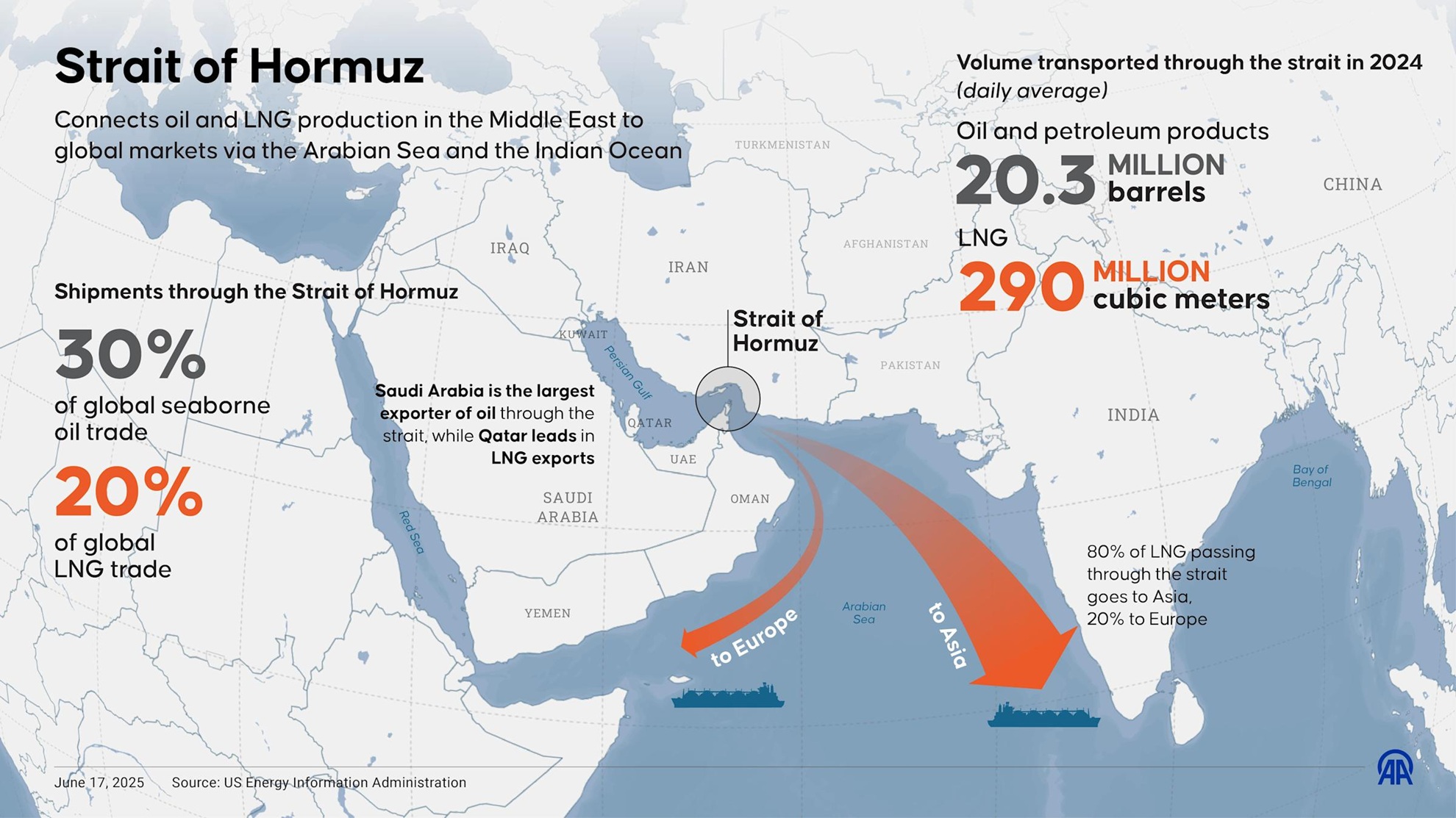
Sekitar 20 juta barel per hari (bpd) minyak dan produk minyak bumi biasanya melewati Selat Hormuz antara Iran dan Oman, setara dengan sekitar seperlima dari konsumsi minyak global dan sekitar 30% dari perdagangan minyak laut global.
Ini adalah kejutan aliran, bukan masalah inventaris. Pasar minyak bergantung pada throughput berkelanjutan, bukan penyimpanan statis.
Jika gangguan berlanjut lebih dari beberapa minggu, Brent dapat bergeser dari lonjakan jangka pendek ke guncangan harga yang lebih luas, dengan risiko stagflasi.
Lalu lintas kapal tanker melalui selat turun dari sekitar 135 kapal per hari menjadi kurang dari 15 kapal pada puncak gangguan, pengurangan sekitar 85%, dengan lebih dari 150 kapal berlabuh, dialihkan, atau tertunda.
Gencatan senjata dua minggu diumumkan pada 8 April, dengan negosiasi gencatan senjata selama 45 hari sedang berlangsung. Iran secara terpisah telah mengisyaratkan permintaan biaya transit pada kapal-kapal yang menggunakan selat, yang, jika diformalkan, akan mewakili dasar geopolitik permanen pada biaya energi.
Pasar telah mulai berputar menjauh dari pertumbuhan dan eksposur teknologi terhadap nama energi dan pertahanan, mencerminkan pandangan bahwa kenaikan minyak menjadi biaya struktural daripada premi risiko sementara.
Institutional Grade Performance
Master the Markets with MetaTrader 5
Trade hundreds of instruments with superior speed and advanced technical analysis. Harness full EA functionality to execute your strategy.
Selat Hormuz menangani sekitar 20 juta barel per hari minyak dan produk minyak bumi, setara dengan sekitar 20% dari konsumsi minyak global dan sekitar 30% dari perdagangan minyak laut global. Dengan permintaan minyak global mendekati 104 juta barel per hari dan kapasitas cadangan terbatas, pasar sudah seimbang sebelum eskalasi terbaru.
Selat ini juga merupakan koridor penting untuk gas alam cair. Sekitar 290 juta meter kubik LNG transit setiap hari rata-rata pada tahun 2024, mewakili sekitar 20% dari perdagangan LNG global, dengan pasar Asia sebagai tujuan utama.
Badan Energi Internasional (IEA) telah menggambarkan Hormuz sebagai titik henti transit minyak yang paling penting di dunia, mencatat bahwa bahkan gangguan sebagian dapat memicu pergerakan harga yang terlalu besar. Minyak mentah Brent telah bergerak di atas US $100 per barel, mencerminkan keketatan fisik dan kenaikan premi risiko geopolitik.
Sumber: Administrasi Informasi Energi AS, tanggal 17 Juni 2025, menggunakan rata-rata harian 2024
Kapal tanker menganggur karena aliran lambat
Data pengiriman dan asuransi sekarang menunjukkan ketegangan secara real time. Lebih dari 85 kapal induk minyak mentah besar dilaporkan terdampar di Teluk Persia, sementara lebih dari 150 kapal telah berlabuh, dialihkan atau ditunda karena operator menilai kembali keselamatan dan asuransi. Itu akan meninggalkan sekitar 120 juta hingga 150 juta barel minyak mentah menganggur di laut.
Volume tersebut hanya mewakili enam hingga tujuh hari throughput Hormuz normal, atau sedikit lebih dari satu hari konsumsi minyak global.
Data pengiriman dan asuransi yang diperbarui sekarang mengkonfirmasi lebih dari 150 kapal telah berlabuh, dialihkan, atau tertunda, naik dari 85 yang awalnya dilaporkan. Cakupan konsumsi global 1,3 hari dari minyak mentah yang tidak digunakan tetap menjadi kendala yang mengikat: ini adalah kejutan aliran, bukan masalah penyimpanan, dan gencatan senjata belum diterjemahkan ke dalam throughput yang dipulihkan secara bermakna.
🌋 Trump, volatility and Hormuz.
As tariff shocks collide with a ten year extreme in oil positioning, the margin for error is zero. See the technical markers and safe haven pivots defining the current risk environment.
Pasar yang dibangun di atas aliran, bukan penyimpanan
Pasar minyak berfungsi pada pergerakan terus menerus. Kilang, pabrik petrokimia, dan rantai pasokan global dikalibrasi untuk pengiriman yang stabil di sepanjang jalur laut yang dapat diprediksi. Ketika aliran melalui titik henti yang membawa sekitar seperlima dari konsumsi minyak global dan sekitar 30% dari perdagangan minyak laut global terganggu, sistem dapat bergerak dari keseimbangan ke defisit dalam beberapa hari.
Kapasitas produksi cadangan, sebagian besar terkonsentrasi di OPEC, diperkirakan hanya 3 juta hingga 5 juta barel per hari. Itu jauh di bawah volume yang berisiko jika aliran Hormuz sangat terganggu.
GO Markets — Idle Tankers: Days of Cover
Oil market analysis
How long do idle tankers last?
135M idle barrels — days of cover against each demand benchmark
vs. Strait of Hormuz daily flow (20M bbl/day)
6.75 daysof Hormuz throughput covered
6.75 days
0
5
10
15
20
25
30 days
vs. Global oil consumption (104M bbl/day)
1.3 daysof world demand covered
1.3 days
0
5
10
15
20
25
30 days
vs. US Strategic Petroleum Reserve release (1M bbl/day)
135 daysof full SPR release pace covered
135 days — but SPR exists to replace this role
0
5
10
15
20
25
30 days
135M
idle barrels on tankers (midpoint of 120–150M range)
~33%
of daily Hormuz flow that is idle storage, not transit
<31 hrs
is all idle storage against global daily consumption
Indicative market trajectories based on disruption severity
Scenarios for the weeks ahead
1–2 WEEKS
Ceasefire catch-up
Markets face catch-up repricing. Brent could consolidate in the US$105–US$115 range as risk premia unwind. Brent may trade lower (US$95–US$110) if strategic stocks bridge the temporary shortfall.
2–4 WEEKS
Infrastructure blitz
Shifts to structural supply shock. Brent moving toward US$150–US$200 cannot be ruled out. This is the stagflation trigger where energy costs constrain central bank flexibility.
STRUCTURAL
Geopolitical floor
Iran's transit fee demand creates a permanent input cost. The pre-crisis price structure (US$60–US$70) may not return, embedded in insurance and freight rates.
Critical Threshold
US$120 remains the level at which energy inflation becomes a direct Federal Reserve policy problem.
Risiko inflasi dan limpahan makro
Dampak inflasi dari kejutan minyak biasanya datang dalam gelombang. Harga bahan bakar dan energi yang lebih tinggi dapat mengangkat inflasi utama dengan cepat karena biaya bensin, solar, dan listrik bergerak lebih tinggi.
Seiring waktu, biaya energi yang lebih tinggi dapat melewati pengiriman, makanan, manufaktur, dan layanan. Jika gangguan berlanjut, kombinasi peningkatan inflasi dan pertumbuhan yang lebih lambat dapat meningkatkan risiko lingkungan stagflasi dan membuat bank sentral menghadapi pertukaran yang sulit.
🛢️ Brent hits $100.
Exxon and SLB are leading the rotation out of tech. Get the price targets and technical support levels for the top 5 energy majors.
Tidak ada offset yang mudah, sistem dengan sedikit kelonggaran
Apa yang membuat episode saat ini sangat akut adalah kurangnya kelonggaran dalam sistem global.
Pasokan dan permintaan global mendekati 103 juta hingga 104 juta barel per hari meninggalkan sedikit bantalan cadangan ketika chokepoint penanganan hampir 20 juta barel per hari, atau sekitar seperlima dari konsumsi minyak global, terganggu. Diperkirakan kapasitas cadangan 3 juta hingga 5 juta barel per hari, sebagian besar di dalam OPEC, hanya akan mencakup sebagian kecil dari volume yang berisiko.
Rute alternatif, termasuk jaringan pipa yang melewati Hormuz dan mengalihkan rute pengiriman, hanya dapat mengimbangi sebagian arus yang hilang, dan biasanya dengan biaya yang lebih tinggi dan dengan waktu tunggu yang lebih lama.
Intinya
Sampai transit melalui Selat Hormuz dipulihkan dan dipandang aman secara kredibel, aliran minyak global kemungkinan akan tetap terganggu dan premi risiko meningkat. Bagi investor, pembuat kebijakan dan pembuat keputusan perusahaan, pertanyaan intinya adalah apakah minyak dapat bergerak ke tempat yang seharusnya, setiap hari, tanpa gangguan.
Market Opportunity
Don't just watch the squeeze. Trade the framework.
As positioning gaps hit decade extremes, access advanced charting tools and real time execution on the six key markets defining this cycle.
Sebuah berita utama tentang peradaban yang “sekarat malam ini” dibangun untuk membanjiri, tetapi sinyal yang lebih jelas mungkin adalah ketenangan di bawahnya, karena pasar mulai memperlakukan siklus eskalasi tajam ini diikuti oleh de-eskalasi mendadak sebagai pola, bukan kejutan.
Dalam lingkaran makro, pola itu memiliki label tumpul: TACO, atau “Trump Always Chickens Out”. Frasa dimuat, tetapi logikanya sederhana. Ancaman tekanan maksimum melanda, aset berisiko goyah, kemudian jeda, penundaan atau hasil yang lebih lembut muncul begitu biaya ekonomi mulai menggigit.
Itu tidak berarti risikonya kecil. Ini mungkin hanya berarti investor telah terbiasa dengan naskah di mana retorika berkobar, pasar menyerap guncangan, dan pengekangan muncul sebelum skenario terburuk sepenuhnya muncul.
Developing situation
|
Strait of Hormuz | Section 122 Tariffs
PublishedApril 2026
Brent CrudeAbove US$100
VIX31
In focus6 markets
Oil PositioningDecade-low longs
The Framework & MechanismIs the market the red line?
+
This is where the TACO idea starts to matter. Traders are not just watching the rhetoric. They are watching when it starts to hit markets, inflation and the wider economy.
Oil is at the centre of that risk. If disruption around the Strait of Hormuz starts to threaten global energy flows, the story quickly becomes macro. Higher oil can lift inflation expectations, pressure central banks and tighten financial conditions.
That is why a pause can look less like diplomacy and more like pressure relief. The real red line may be the point where the economic damage becomes too obvious to ignore.
Short Squeezed
Positioning adds another layer. Oil still looks under-owned, with futures positioning near decade-long bearish extremes. If a fresh shock lands, short-covering could drive prices higher much faster than fundamentals alone would suggest.
That is the short-squeeze risk. In the Commitment of Traders (COT) report, recent data suggests oil long exposure is relatively low by historical standards.
Humanitarian Reality
Whatever may be promised in political messaging, any sustained conflict in Iran would carry a heavy cost in displacement, infrastructure damage and wider regional stress. A relief rally in markets does not change that.
Global Isolation
Even if pauses are used to steady domestic market sentiment, allies and multilateral institutions may view bluff-and-retreat tactics as a credibility problem that creates longer-term diplomatic friction.
Positioning gap indicator
Divergence analysis between positioning and risk environment
APRIL 2026
Bars show GO Markets’ internal estimate of the divergence between current futures positioning and levels seen in comparable historical shock environments.
Brent crudeExtreme
Gold (XAU/USD)Very high
Nasdaq 100High
USD/CNHHigh
US 10 yr yieldMedium
USD/CADMedium
Extreme decade scale positioning extreme
High significant divergence
Medium moderate divergence
Methodology note
The Positioning Gap Indicator is based on GO Markets’ internal analysis and is intended as a high-level, illustrative framework only. It uses a combination of market positioning data, historical comparisons and discretionary assumptions about how similar energy and trade shocks have affected markets in the past. The ‘Extreme’, ‘Very High’, ‘High’ and ‘Medium’ labels are relative internal classifications, not objective market standards, and should not be relied on as predictions, forecasts or a guarantee of future outcomes.
The Six Markets
The six markets that matter most
Each of these six markets is exposed to the current situation through a different mechanism. Understanding the mechanism, not just the price, matters. It helps explain whether a move is a headline reaction or the start of something broader. Tap any card to expand the full analysis.
01
BRENT
Brent crude oil
ENERGYDIRECT CHANNELSQUEEZE RISK: EXTREME
+
The Clear Transmission Channel
Brent is the international benchmark for crude and the most direct transmission mechanism in this geopolitical thesis. Any disruption to physical flows, particularly through the Strait of Hormuz, forces an immediate tightening of global energy supply.
The Positioning Backdrop
Futures positioning currently sits at a ten year bearish extreme. Leveraged funds have cut long exposure heavily. In the event of a physical supply shock, this imbalance creates the potential for a violent short covering squeeze.
● Bull Case
Hormuz disruption extends beyond four weeks. Extended disruption could lift Brent sharply if supply flows are impaired for longer.
● Bear Case
Diplomatic intervention reopens the strait quickly. Strategic petroleum reserve (SPR) releases and increased spare capacity cap any price rally.
Strategic Marker
US$120: the point at which energy inflation becomes a direct Federal Reserve policy problem, rather than just a market narrative.
02
XAU/USD
Gold
SAFE HAVENUNDER-OWNEDSQUEEZE RISK: VERY HIGH
+
The Counter-Intuitive Setup
Despite a clear geopolitical risk profile, leveraged funds have been reducing bullish gold exposure. This leaves the market under-owned at the exact moment the fundamental case for safe haven assets is strengthening.
The Inflation Variable
The critical factor for Gold is whether energy-driven inflation limits the Fed's room to maneuver. If policy flexibility weakens, Gold could catch up quickly as a hedge against stagflation.
● Bull Case
Real yields fall as energy inflation outpaces rate hikes. Under-owned positioning amplifies the catch up move as institutional funds rebuild exposure.
● Bear Case
Geopolitical tensions ease rapidly. The Fed remains credibly focused on inflation, keeping real yields positive and supporting the USD over Gold.
Strategic Marker
One level to monitor is prior resistance, alongside any change in COT positioning.
03
US100/NAS100
Nasdaq 100
TECHNOLOGYDUAL PRESSURERATE AND SUPPLY RISK
+
Why it is a complicated position
The Nasdaq faces immediate pressure from two fronts: Stickier energy-driven inflation forces rates higher for longer, compressing multiples, while trade tensions unsettle the supply chains beneath major tech names.
Why the 10 year yield matters here
When the 10 year Treasury yield holds above 4.5%, the future value of technology earnings must be discounted at a higher rate. AI linked earnings momentum must overpower this valuation headwind.
● Bull Case
Earnings season delivers proof of AI investment generating real revenue. Index components successfully insulate supply chains, and AI capex momentum overrides the macro headwind.
● Bear Case
Energy inflation keeps yields above 4.5%. Multiple compression in high valuation names triggers a broader index decline amid disappointments in AI monetization.
Strategic Marker
S&P 500 at 6,498: a widely watched Fibonacci cluster. A sustained move below this threshold highlights a historically challenging framework for growth equities.
04
USD/CNH
US dollar/offshore Chinese yuan
FXBEIJING READPOLICY PROXY
+
What it tells you
USD/CNH is the cleanest real time read on how Beijing is responding to tariff pressure. A sharp rise suggests China is allowing currency weakness to absorb the costs of trade friction.
Why it matters beyond China
A move in USD/CNH doesn't stay contained. It spills into Asian equities, commodity demand, and broader risk appetite. Deliberate depreciation signals a shift in the global trade environment.
● USD Bull / Yuan Bear
Beijing allows yuan weakness as a deliberate countermeasure. Capital outflows accelerate, and USD safe haven demand reinforces the move.
● Yuan Recovery
Trade negotiations begin and a face saving off ramp is found. PBOC intervention defends the yuan, and the dollar's safe haven premium fades.
Strategic Marker
7.30 on USD/CNH: a sustained move above this has historically been associated with broader risk off moves in Asian markets.
05
US10Y/TNOTE
US 10 year Treasury yield
RATESMACRO PLUMBINGSHAPES EVERYTHING ELSE
+
Why it sits under everything
The 10 year yield shapes mortgage costs, corporate borrowing, and the valuation framework for risk assets globally. When it rises, borrowing becomes more expensive across the entire system.
The Independent Movement Risk
If oil forces the Fed to delay cuts, the 10 year yield could rise regardless of Fed communication. It can tighten financial conditions even before a formal policy shift occurs.
● Rates Fall Case
Oil shock proves transient. Fed maintains guidance and 10 year yields pull back toward 4.0%, relieving pressure on equities and providing support for bonds.
● Rates Rise Case
Sustained oil above US$100 pushes inflation higher. Fed pauses rate cut language and the 10 year yield breaks above 4.5%, compressing equity multiples.
Strategic Marker
4.5% on the 10 year yield: a sustained break above this while oil remains above US$100 is a historically challenging combination for equities.
06
USD/CAD
US dollar/offshore Canadian dollar
FXOIL-LINKEDLEAD INDICATOR
+
The Double Exposure
USD/CAD is a lead indicator because Canada sits at the intersection of energy and trade. It benefits from higher oil revenue but is highly sensitive to US economic and trade conditions.
When the Forces Collide
When oil rises, the CAD often strengthens; when trade stress rises, it weakens. In the current environment, these forces are colliding rather than canceling each other out.
● CAD Strengthens
Oil sustained above US$100 boosts export revenue while trade tensions stay short of Canada specific tariffs. Bank of Canada holds rates steady.
● CAD Weakens
Safe haven USD demand outweighs the oil benefit. Bank of Canada cuts rates to offset trade headwinds.
Strategic Marker
1.42 on USD/CAD: a sustained move above this signals trade anxiety is dominating the oil benefit, often preceding broader risk off moves.
What could go wrong
Four reasons the market logic could fail
+
A coherent macro case is still only a case. Markets regularly ignore tidy narratives for longer than expected, or invalidate them quickly. Four failure paths stand out.
1
The situation de-escalates faster than the news cycle suggests
Geopolitical risk premia can build slowly and disappear quickly. Any credible sign of de-escalation, especially around shipping lanes or energy infrastructure, could reverse oil sharply and drain urgency from the rest of the thesis. This is precisely the scenario the TACO framework predicts.
2
Tariff posturing does not become tariff policy
The market may be reacting to opening positions rather than settled policy. If Washington and Beijing find a face-saving off-ramp, as they have in previous trade disputes, currency and equity moves that anticipated escalation could unwind just as fast as they built.
3
AI investment spending overrides the macro headwind
Technology capital expenditure has remained more resilient than expected for much of the past two years. If earnings season shows that AI infrastructure spending is still translating into real demand and returns, the growth narrative may reassert itself, particularly in the Nasdaq 100.
4
The squeeze never arrives: extended positioning holds for longer than expected
Stretched positioning does not automatically produce a violent reprice. Markets can stay under-owned for months if risk appetite remains weak and institutions are unwilling to rebuild exposure. The set-up can exist without the catalyst arriving in a way that forces the move.
Forward Calendar
What to watch and when
+
Three time horizons matter here. The first tests supply resilience. The second tests financial system health. The third tests whether any shift in market leadership is cyclical or structural.
Three horizon watchlist
Signals and catalysts across the next two months
Next Two Weeks
Chipmaker guidance and supply commentary
Major semiconductor earnings calls will offer an early read on whether supply bottlenecks are worsening and whether management teams are changing production assumptions. If supply commentary deteriorates, the inflation story gets another push and the case for higher for longer rates strengthens.
Next 30 Days
Bank earnings and loan demand
Major US banks will provide a useful check on whether capital spending related to AI infrastructure is still being financed. The most important signal may not be earnings per share. It may be commercial loan demand. If businesses are pulling back on borrowing, the growth cycle may be softening earlier than the market expects.
Next 60 Days
Enablers versus spenders
The more structural test is whether the market begins rewarding businesses that produce physical outputs: energy producers, hardware makers and defence contractors, while penalising software companies that still cannot prove a clear return on AI spending. A wider performance gap between those groups would suggest something deeper than a temporary rotation.
Jalan di depan
Konvergensi ketegangan geopolitik dan posisi ekstrem historis saat ini telah menciptakan lingkungan “mata air melingkar” yang unik untuk pasar global. Sementara TACO kerangka kerja menunjukkan pola eskalasi tajam diikuti oleh jeda strategis, ujian nyata bagi pedagang selama 60 hari ke depan adalah transisi dari volatilitas yang digerakkan oleh headline ke rotasi pasar struktural.
Apakah celah posisi ditutup melalui de-eskalasi lembut atau tekanan pendek yang keras, memiliki kerangka reaksi yang ditentukan dapat membantu pedagang menavigasi kebisingan.
Market Opportunity
Don't just watch the squeeze. Trade the framework.
As positioning gaps hit decade extremes, access advanced charting tools and real time execution on the six key markets defining this cycle.






.jpeg)