Johnson Controls International results announced – the stock is down
Klavs Valters
14/1/2024
•
0 min read
Share this post
Copy URL
On Monday, Citigroup raised its target price for the Irish multinational conglomerate, Johnson Controls International plc (NYSE: JCI), from $58 to $61 a share. On Tuesday, Johnson Controls announced its latest financial results for its fiscal fourth 2023. Let’s see how it performed.
Company overview Founded: 1885 Headquarters: Cork, Ireland Number of employees: 102,000 (2022) Industry: Conglomerate Key people: George Oliver (Chairman, CEO) The results Johnson Controls reported revenue of $6.906 billion for the quarter (up by 3% year-over-year), which missed analyst estimate of $7.099 billion. Earnings per share (EPS) also fell short of estimates at $1.05 per share (up by 6% year-over-year) vs. $1.095 per share expected. CEO commentary "Our fiscal 2023 results, highlighted by strong sales growth and margin expansion, further validate that our strategy of providing solutions that make buildings smarter, healthier, and more sustainable continues to gain momentum," George Oliver, CEO of Johnson Controls said in a letter to investors. "We made significant progress during the year advancing our service strategy, enabled by digital, and we continue to see strong order momentum and record backlog entering our new fiscal year," Oliver added.
Stock reaction The stock was down by over 6% during the trading day on Tuesday, trading at $52.63 a share. Stock performance 1 month: -0.58% 3 months: -9.06% Year-to-date: -18.54% 1 year: -21.70% Johnson Controls International stock price targets Citigroup: $61 Oppenheimer: $66 UBS Group: $74 Wells Fargo: $62 HSBC: $69 Morgan Stanley: $70 Barclays: $64 JP Morgan: $72 Deutsche Bank: $65 Mizuho: $78 Bank of America: $72 Johnson Controls International plc is the 507th largest company in the world with a market cap of $35.89 billion. You can trade Johnson Controls International plc (NYSE: JCI) and many other stocks from the NYSE, NASDAQ, HKEX, ASX, LSE and DE with GO Markets as a Share CFD.
GO Markets now offers pre-market and after-market trading on popular US Share CFDs. Trade the pre-market session: 4:00am to 9:30am, normal session, and after-market session: 4:00pm to 8:00pm, Eastern Standard Time. Why trade during extended hours?
Volatility never sleeps. Trade over earnings releases as they happen outside of main trading hours Reduce your risk and hedge your existing positions ahead of a new trading day Extended trading hours on popular US stocks means extended opportunities Sources: Johnson Controls International plc, TradingView, MarketWatch, MarketBeat, CompaniesMarketCap
By
Klavs Valters
Account Manager, GO Markets London.
The information provided is of general nature only and does not take into account your personal objectives, financial situations or needs. Before acting on any information provided, you should consider whether the information is suitable for you and your personal circumstances and if necessary, seek appropriate professional advice. All opinions, conclusions, forecasts or recommendations are reasonably held at the time of compilation but are subject to change without notice. Past performance is not an indication of future performance. Go Markets Pty Ltd, ABN 85 081 864 039, AFSL 254963 is a CFD issuer, and trading carries significant risks and is not suitable for everyone. You do not own or have any interest in the rights to the underlying assets. You should consider the appropriateness by reviewing our TMD, FSG, PDS and other CFD legal documents to ensure you understand the risks before you invest in CFDs.
As ações de defesa da ASX estão de volta em mais listas de observação e, de acordo com o Instituto Internacional de Pesquisa da Paz de Estocolmo (SIPRI), os gastos militares globais atingiram aproximadamente USD 2,718 trilhões em 2024, um aumento de 9,4% em termos reais.
As configurações atuais de defesa da Austrália estão definidas na Estratégia Nacional de Defesa de 2024 e nos documentos de planejamento de investimento relacionados, que descrevem as prioridades de financiamento de capacidades de longo prazo. Além disso, Canberra apontou um investimento de capacidade de 330 bilhões de dólares australianos até 2034, incluindo financiamento adicional para combatentes de superfície, preparação, ataques de longo alcance e sistemas autônomos.
Aqui está a parte que a maioria das pessoas perde: nem todas as ações de defesa da ASX são negociadas da mesma forma. Alguns ficam perto da construção naval. Alguns são nomes de contra-drones e alguns são operadores menores e de alto risco, onde um contrato pode importar muito mais do que o mercado supõe.
Esses cinco nomes não são uma lista de compras, mas sim uma lista prática para investidores que tentam entender onde o impulso de compras pode realmente aparecer no ASX.
1) Austal (ASX: ASB)
A Austal é uma das empresas listadas na ASX mais diretamente expostas ao gasoduto de construção naval da Austrália, embora a execução do contrato, as margens e o prazo de entrega continuem sendo variáveis importantes.
Eles não estão apenas ganhando contratos aleatórios; eles assinaram um grande acordo legal (o Acordo Estratégico de Construção Naval) que os torna parceiros oficiais para construir a próxima geração de navios militares de médio porte da Austrália na Austrália Ocidental.
Em fevereiro de 2026, o governo deu luz verde à Austal para um projeto de 4 bilhões de dólares. Isso não é para apenas um navio, é para 8 navios “Landing Craft Heavy”. São enormes navios de transporte (cerca de 100 metros de comprimento) projetados para transportar tanques pesados e equipamentos diretamente para a praia. Mas aqui está a parte que a maioria das pessoas perde: a construção naval é uma maratona, não um sprint.
Como você pode ver no cronograma de entrega, embora a construção comece em 2026, o navio final não será entregue até 2038. Para um investidor, isso significa que a Austal tem um fluxo de renda “garantido” para os próximos 12 anos, mas ele precisa ser muito bom em gerenciar seus custos durante esse longo período para realmente obter lucro.
2) DroneShield (ASX: DRO)
Se você já viu imagens de pequenos drones interrompendo campos de batalha modernos, o DroneShield está construindo parte do “botão de desligamento”. Seu foco é a tecnologia de combate a drones, incluindo sistemas que detectam, interrompem ou derrotam drones usando guerra eletrônica, sensores e ferramentas baseadas em software, em vez de depender apenas de munições tradicionais.
No início de 2026, a DroneShield deixou de ser uma startup promissora e entrou em uma fase comercial muito maior. Ela registrou uma receita do ano fiscal de 2025 de A $216,5 milhões, um aumento de 276% em relação ao ano fiscal de 2024, e disse que iniciou o ano fiscal de 2026 com A $103,5 milhões em receita comprometida.
Um ponto que o mercado pode ignorar é a camada de software no modelo. A DroneShield registrou receita de A $11,6 milhões em software como serviço (SaaS) no ano fiscal de 2025 e disse que está trabalhando para que o SaaS represente 30% da receita em cinco anos. Seu modelo de assinatura inclui atualizações de software para sistemas implantados, o que adiciona um fluxo crescente de receita recorrente junto com as vendas de hardware.
Entre as ações de defesa da ASX, a DroneShield é uma das formas mais diretas de seguir o tema Counter-UAS. É também um dos nomes em que o sentimento pode oscilar rapidamente, porque as histórias de crescimento podem aumentar e diminuir quando o tempo do pedido muda.
A EOS constrói tanto o “cérebro” quanto o “músculo” para plataformas militares. É mais conhecido por sistemas de armas remotas, que permitem aos operadores controlar torres armadas de dentro de veículos protegidos, e por sistemas de laser de alta energia voltados para a defesa contra drones. A EOS disse que seu acúmulo incondicional atingiu cerca de A $459,1 milhões no início de 2026, após uma série de vitórias de contratos até 2025. Isso aponta para uma base muito maior de trabalho seguro, embora o tempo de entrega e a conversão de receita ainda sejam importantes.
A EOS assinou um contrato de €71,4 milhões, cerca de A $125 milhões, com um cliente europeu para um sistema de armas a laser de alta energia de 100 quilowatts. A EOS afirma que o sistema foi projetado para um baixo custo por tiro e pode acionar até 20 drones por minuto. O governo australiano reservou A $1,3 bilhão em 10 anos para a aquisição de capacidade de combate a drones, e a EOS divulgou que fez parte de uma equipe bem-sucedida de licitação do LAND 156. Isso não garante receita futura, mas dá suporte à visibilidade de médio prazo em um mercado que a empresa já tem como alvo.
A EOS parece uma história de recuperação, mas que ainda depende da execução. A empresa se reorientou em torno de sistemas de armas remotas, sistemas de combate a drones e lasers, todas áreas vinculadas a maiores gastos com defesa. A questão principal é se ela pode continuar convertendo o acúmulo e o pipeline em receita gerada e, ao mesmo tempo, manter a disciplina do balanço patrimonial.
4) Codan (ASX: CDA)
Às vezes, a Codan fica de fora das listas casuais de ações de defesa porque é mais diversificada. Isso pode ser um descuido. Em seus resultados do primeiro semestre do ano fiscal de 26, a Codan disse que sua empresa de comunicações projeta comunicações de missão crítica para os mercados globais de segurança pública e militar. A receita de comunicações aumentou 19% para A $221,8 milhões. A empresa também disse que a DTC gerou um forte crescimento da demanda de defesa e sistemas não tripulados, com a receita de sistemas não tripulados aumentando 68%, para A $73 milhões. Codan disse que cerca de metade dessa receita não tripulada estava vinculada a aplicações de defesa operacional em zonas de conflito.
É aqui que a história se torna mais matizada. Em uma cesta de ações de defesa da ASX, a Codan pode oferecer um perfil diferente, com menos sensibilidade pura às manchetes, maior diversificação operacional e exposição significativa a comunicações militares e sistemas não tripulados, sem ser um nome de tema único. Essa diversificação também pode significar que as ações nem sempre são negociadas como um nome de defesa puro.
A HighCom está no final especulativo desta lista e deve ser rotulada dessa forma. A empresa afirma que seus dois negócios contínuos são a HighCom Armor, que fornece proteção balística, e a HighCom Technology, que fornece e mantém sistemas aéreos não tripulados de pequeno e médio porte, sistemas aéreos contra-não tripulados e suporte relacionado de engenharia, integração, manutenção e logística para o ADF e outras forças armadas regionais alinhadas.
No primeiro semestre do ano fiscal de 26, a receita de operações contínuas caiu 59% para A $10,9 milhões, enquanto o EBITDA passou para uma perda de A $5,4 milhões em relação ao lucro de A $1,9 milhão no ano anterior. A HighCom também divulgou A $5,1 milhões em receita de tecnologia HighCom, incluindo A $3,5 milhões de peças de reposição para pequenos sistemas aéreos não tripulados (SUAS) e A $1,6 milhão de serviços de sustentação fornecidos ao Departamento de Defesa da Austrália.
Então, sim, a HighCom é uma das ações de defesa ASX mais sensíveis financeiramente no conselho. Mas também é o tipo de nome menor que pode mostrar como as compras se transformam em equipamentos de suporte, sustentação e proteção especializados.
Principais observações do mercado
Acompanhe os marcos do programa, não apenas as manchetes políticas. A adjudicação de contratos, o início da fabricação, os cronogramas de entrega e o trabalho de manutenção geralmente importam mais do que um único dia de anúncio.
Separe a exposição pura da exposição diversificada. O DroneShield e o EOS estão mais próximos de temas concentrados de tecnologia de defesa, enquanto o Codan traz exposição às comunicações em um mix de negócios mais amplo.
Assista aos temas de capacidade soberana na Austrália. A Austal e a EOS estão vinculadas à fabricação local, à integração e às cadeias de suprimentos australianas, o que apóia o tema mais amplo de capacidade soberana desse grupo.
Preste atenção aos balanços e à conversão de caixa. O ímpeto de compras pode ser real mesmo quando o tempo fica confuso. A última metade da HighCom é um lembrete disso.
As manchetes de defesa podem parecer imediatas. Os ganhos geralmente não são. O principal trabalho naval da Austal se estende até a próxima década. Os contratos EOS são entregues ao longo de vários anos. O fluxo de pedidos da DroneShield parece forte, mas a empresa ainda separa a receita comprometida de uma oportunidade mais ampla de pipeline. HighCom mostra o outro lado da moeda. A exposição à aquisição não se traduz automaticamente em uma execução financeira tranquila.
As referências a ações de defesa listadas na ASX são apenas informações gerais, não uma recomendação para comprar, vender ou manter qualquer título ou CFD. Essas ações podem ser altamente voláteis e sensíveis ao prazo do contrato, à política governamental, à geopolítica, ao risco de execução e às condições do mercado. Expectativas de backlog, pipeline e receita não são garantias de desempenho futuro.
Em 28 de fevereiro de 2026, quando o ataque conjunto dos EUA e Israel começou, os números nas telas começaram a se mover de uma forma que parecia clínica, mesmo quando a realidade no terreno, com as trágicas mortes de vítimas civis no Irã, parecia tudo menos isso. Os mercados, como dizem, não têm uma bússola moral, mas sim uma máquina de pesagem e, neste momento, estão avaliando a transição de toda a economia global de um modelo “just-in-time” para um ciclo “just-in-case”.
O que os mercados estavam sinalizando
Em 2 de março, a fita de índice permaneceu cautelosa enquanto a defesa aumentava. Historicamente, os conflitos podem acelerar o reabastecimento e os pedidos, mas o tamanho (e a rapidez) ainda depende de orçamentos, aprovações e gargalos de entrega.
Os vencedores
1. Hanwha Aerospace (012450.KS)
Hanwha é um dos nomes mais negociados vinculados ao tema “K-Defense”, uma empresa cada vez mais vista pelo mercado como fornecedora escalável de um ciclo global cada vez mais apertado de artilharia e munições. Capacidade e credibilidade de entrega.
Quando o reabastecimento se torna urgente, a capacidade de produzir em grande escala geralmente é tão importante quanto a própria plataforma. A demanda de exportação vinculada a sistemas como o K9 Thunder e o Chunmoo reforçou a narrativa de um fluxo de pedidos durável, mesmo quando os resultados ainda dependem de orçamentos, aprovações e prazos de entrega.
Principais coisas que podem mover o sentimento: atualizações do livro de pedidos, ritmo de produção e quaisquer anúncios de exportação subsequentes.
2. Northrop Grumman (NOC)
A Northrop se concentrou à medida que os investidores reavaliaram a exposição à modernização estratégica e a grandes programas de longa duração. Os mercados de defesa, muitas vezes vistos como essenciais, podem persistir em todos os ciclos. É menos sobre um quarto e mais sobre se o ímpeto permanece estável se as prioridades de modernização permanecerem em vigor (e se os cronogramas mudam se não mudarem).
Variáveis-chave que podem mover o sentimento: Ritmo de aquisição, prazo do contrato e linguagem de financiamento relacionada ao programa.
3. Corporação RTX (RTX)
O RTX voltou ao centro da fita quando os investidores avaliaram um ciclo de reabastecimento de interceptores e a economia da defesa aérea de alto ritmo. O desgaste é caro e, quando as taxas de uso aumentam, os governos normalmente precisam reabastecer os estoques e, em muitos casos, financiar a expansão da produção, o que pode aumentar o atraso e aumentar a visibilidade da receita.
Variáveis-chave que podem mover o sentimento: Pedidos de reabastecimento, indicadores de expansão da fabricação e produtividade de entrega.
4. Lockheed Martin (LMT)
A Lockheed chamou a atenção quando os mercados se concentraram na demanda por defesa antimísseis e na questão que cada mesa de compras enfrenta em um ambiente de alto ritmo: com que rapidez os estoques podem ser reconstruídos? Se a utilização permanecer elevada, os vencedores tendem a ser os empreiteiros mais bem posicionados para escalar a produção e entregar de forma confiável. A exposição à defesa antimísseis da Lockheed a mantém intimamente ligada a essa narrativa de reabastecimento.
Variáveis-chave que podem mover o sentimento: sinais de rampa de produção, economia unitária e cadência de pedidos orientada pelo orçamento.
5. Sistemas BAE (BA.L)
Com um acúmulo de 83,6 bilhões de libras e um papel central no programa submarino AUKUS, a BAE entrou em foco quando partes da Europa sinalizaram maiores ambições de gastos com defesa. As ações subiram 6,11% para uma alta de 52 semanas em meio a uma rotação “sem risco”, com os comerciantes observando os marcos do AUKUS e as aquisições europeias de defesa aérea e antimísseis, incluindo o “Sky Shield”.
Variáveis-chave que podem mover o sentimento: Um potencial catalisador é qualquer aumento claro nos gastos alemães que eleve o fluxo de pedidos nas unidades europeias da BAE, enquanto os principais riscos incluem um forte aumento nos rendimentos do ouro do Reino Unido, uma nova volatilidade da libra esterlina ou uma “ameaça de paz” na obtenção de lucros.
800
Os perdedores: nem todo 'estoque de guerra' sobe
6. Ambiente aeroportuário (AVAV)
A AeroVironment subiu 18% na abertura antes de cair 17% no período intradiário após relatos de que a Força Espacial dos EUA estava reabrindo um contrato de USD 1,4 bilhão. A medida destaca como os processos de aquisição e o risco do contrato podem impulsionar a volatilidade, mesmo em ambientes temáticos favoráveis.
7. Defesa de Kratos (KTOS)
Kratos aborda o tema de drones e munições vadiadoras, que ganhou atenção à medida que o conflito no Oriente Médio se intensificava. As ações ainda foram vendidas após os lucros, destacando um risco comum do setor de defesa. A Kratos anunciou uma grande oferta complementar de ações na faixa de USD 1,2 bilhão a USD 1,4 bilhão. A medida fortalece o balanço patrimonial e pode apoiar futuros investimentos em programas.
Para negociadores focados em narrativas de “prêmio de conflito” de curto prazo, a diluição pode alterar rapidamente a configuração. Mesmo quando as condições de demanda parecem favoráveis, o mercado pode reavaliar as ações se cada acionista finalmente possuir uma parte menor do negócio.
8. Máquinas intuitivas (LUNR)
Alguns nomes especulativos de tecnologia espacial ficaram para trás, pois os investidores pareciam favorecer empresas com receitas mais estabelecidas vinculadas à defesa.
9. Boeing (BA)
A Boeing caiu cerca de 2,5% na sessão. Embora sua divisão de defesa seja significativa, seus negócios comerciais podem ser mais sensíveis à demanda da aviação, às interrupções no espaço aéreo e às mudanças no preço do petróleo.
10. Spirit AeroSystems (SPR)
A Spirit AeroSystems permanece intimamente ligada ao ciclo global de produção de aeronaves como uma importante fornecedora de aeroestruturas.Resultados recentes mostraram perdas crescentes, apesar do aumento das vendas, refletindo os aumentos contínuos dos custos de produção nos principais programas de aeronaves. Essas pressões pesaram sobre a confiança dos investidores nas perspectivas de curto prazo. A aquisição planejada pela Boeing pode, em última análise, remodelar a posição da empresa na cadeia de suprimentos, mas o risco de execução e a estabilidade da produção permanecem fundamentais na forma como o mercado precifica as ações.
O que assistir a seguir
Escalação versus redução da escalada: Uma mudança em direção à diplomacia ou às discussões sobre o cessar-fogo pode mudar rapidamente o sentimento em relação às ações de defesa.
Petróleo e transporte marítimo: Os picos de energia podem restringir as condições financeiras e pressionar setores cíclicos.
Orçamentos e prêmios: Às vezes, os movimentos de preços podem preceder as decisões do contrato, com clareza chegando quando os prêmios são finalizados.
Capacidade de produção: Empresas com histórico comprovado de produção e entrega geralmente atraem a maior atenção dos investidores.
Restrições da cadeia de suprimentos: Terras raras, propulsão e eletrônicos continuam sendo possíveis gargalos que podem limitar a rapidez com que a produção cresce.
A lente de longo prazo
O conflito de 2026 no Irã é, antes de tudo, uma tragédia humana. Para os mercados, isso também pode representar uma mudança na forma como os gastos com segurança nacional são priorizados dentro das estruturas fiscais. Se os gastos com defesa permanecerem elevados em um horizonte de vários anos, empresas com capacidade de fabricação escalável e tecnologias integradas poderão atrair a atenção contínua dos investidores. Dito isso, os mercados se movem em ciclos. Os temas estruturais podem persistir, mas também podem ser reavaliados rapidamente quando as suposições mudam. Manter-se analítico e consciente dos riscos continua sendo fundamental.
As referências a empresas, setores ou movimentos de mercado específicos são fornecidas apenas para comentários gerais do mercado e não constituem uma recomendação, oferta ou solicitação para comprar ou vender qualquer produto financeiro. As reações do mercado a eventos geopolíticos ou macroeconômicos podem ser voláteis e imprevisíveis, e os resultados podem diferir materialmente das expectativas.
So FY24 earnings are now done and from what we can see the results have been on the whole slightly better than expected. The catch is the numbers that we've seen for early FY25 which suggested any momentum we had from 2024 may be gone. So here are 8 things that caught our attention from the earnings season just completed.
Resilient Economy and Earnings Performance Resilience surprises remain: The Australian economy has shown remarkable resilience despite higher inflation and overall global pessimism. The resilience was reflected in the ASX 300, which closed the reporting season with a net earnings beat of 3 percentage points - a solid beat of the Street's consensus. This beat was primarily driven by better-than-expected margins, indicating that companies are effectively managing cost pressures through flexes in wages, inventories and nonessential costs.
The small guy is falling by wayside: However, the reporting outside of the ASX 300 paints a completely different picture. Over 53 per cent of firms missed estimates, size cost efficiencies and other methods larger firms can take were unable to be matched by their smaller counterparts. The fall in the ex-ASX 300 stocks was probably missed by most as it represents a small fraction of the ASX.
But nonetheless it's important to highlight as it's likely that what was seen in FY24 in small cap stocks will probably spread up into the larger market. Season on season slowdown is gaining momentum Smaller Beats what also caught our attention is the three-percentage point beat of this earnings season is 4 percentage points less than the beat in February which saw a seven-percentage point upside. That trend has been like this now for three consecutive halves and it's probable it will continue into the first half of FY25.
The current outlook from the reporting season is a slowing cycle, reducing the likelihood of positive economic surprises and earnings upgrades. Dividend Trends Going Oprah - Dividend Surprises: Reporting season ended with dividend surprises that were more aligned with earnings surprises, with a modest DPS (Dividends Per Share) beat of 2 percentage points. This marked a significant improvement from the initial weeks of the reporting season when conservative payout strategies led to more dividend misses.
The stronger dividends toward the end of the season signal some confidence in the future outlook despite conservative guidance. However, firms that did have banked franking credits or capital in the bank from previous periods they went Oprah and handed out ‘special dividends’ like confetti. While this was met with shareholder glee, it does also suggest that firms cannot see opportunity to deploy this capital in the current conditions.
That reenforces the views from point 2. Winners and Losers - Performance Growth Stocks Outperform: Growth stocks emerged as the clear winners of the reporting season, with a net beat of 30 percentage points. This performance was driven by strong margin surprises and the best free cash flow (FCF) surprise among any group.
However, there was a slight miss on sales, which was more than offset by higher margins. Sectors like Technology and Health were key contributors to the outperformance of Growth stocks. Stand out performers were the likes of SQ2, HUB, and TPW.
Globally-exposed Cyclicals Underperform: Global Cyclicals were the most disappointing, led by falling margins and sales misses. The earnings misses were attributed to slowing global growth and the rising Australian Dollar. Despite these challenges, Global Cyclicals did follow the dividend trend surprised to the upside.
Contrarian view might be to consider Global Cyclicals with the possibility the AUD begins to fade on RBA rate cuts in 2025. Mixed Results in Other Sectors: Resources: Ended the season with an equal number of beats and misses. Margins were slightly better than expected, and there was a positive cash flow surprise for some companies.
However, the sector faced significant downgrades, with FY25 earnings now expected to fall by 3.2 per cent. Industrials: Delivered growth with a nine per cent upside in EPS increases, although slightly below expectations. Defensives drove most of this growth, insurers however such as QBE, SUN, and HLI were drags.
Banks: Banks received net upgrades for FY25 earnings due to delayed rate cuts and lower-than-expected bad debts. However, earnings are still forecasted to fall by around 3 per cent in FY25. Defensives: Had a challenging reporting season, with net misses on margins.
Several major defensive stocks missed expectations and faced downgrades for FY25, which led to negative share price reactions. Future Gazing - Guidance and Earnings Outlook Vigilant Guidance has caused downgrades: As expected, many companies used the reporting season to reset earnings expectations. About 40 per cent in fact provided forecasts below consensus expectations, which in turn led to earnings downgrades for FY25 from the Street.
This cautious approach reflects the uncertainty in the economic environment and the potential for slower growth ahead, which was reflected in the FY24 numbers. Flat Earnings Forecast for FY25: The initial expectation of approximately 10 per cent earnings growth for FY25 has completely evaporated to just 0.1 per cent growth (yes, you read that correctly). This revision includes adjustments for the treatment of CDIs like NEM, which reduced earnings by 2.8 percentage point, and negative revisions in response to weaker-than-expected results, guidance, and lower commodity prices.
Resources were particularly impacted, with a 7.7 percentage point downgrade, leading to a forecasted earnings decline of 2.8 percent for the sector. Gazing into FY26: Early projections for FY26 suggest a 1.3 percent decline in earnings, driven by the expected declines in Resources and Banks due to net interest margins and commodity prices. However, Industrials are currently projected to deliver a 10.4 percent EPS growth, would argue this seems optimistic given the slowing economic cycle.
The Consensus Downgrades to 2025 Earnings: The consensus for ASX 300 earnings in 2025 was downgraded by 3 per cent during the reporting season. This reflects a broad range of negative revisions, with 23 percent of stocks facing downgrades. Biggest losers were sectors like Energy, Media, Utilities, Mining, Health, and Capital Goods all saw significant consensus downgrades, with Media particularly facing downgrades as budgets are slashed in half.
Flip side Tech, Telecom, Banks, and Financial Services, saw aggregate earnings upgrades. Notably, 78 percent of the banking sector received upgrades, reflecting some resilience in this group. Cash Flow and Margin Surprises Positive Cash Flow: Operating cash flow was a positive surprise, with 2 percentage point increase for Industrial and Resource stocks reporting cash flow at least 10 per cent above expectations.
The main drivers of this cash flow surprise were lower-than-expected tax and interest costs, along with positive EBITDA margin surprises. Capex: There were slightly more companies with higher-than-expected capex, but the impact on overall Free Cash Flow (FCF) was modest. Significant positive FCF surprises were seen in companies like TLS, QAN, and BHP, while WES, CSL, and WOW had negative surprises.
Final nuts and bolts Seasonal Downgrade Patterns: The peak in downgrades typically occurs during the full-year reporting season, so the significant downgrades seen in August are not necessarily a negative signal for the market. As the year progresses, the pace of downgrades may slow, and there could be some positive guidance surprises during the 2024 AGM season. However, with a slowing economic cycle, the likelihood of positive surprises is lower compared to 2023.
Overall, the reporting season highlighted the resilience of the Australian economy and the challenges facing certain sectors. While Growth stocks outperformed, the outlook for FY25 remains cautious with flat earnings growth and sector-specific headwinds. Investors will need to navigate a mixed landscape with potential opportunities in contrarian plays like Global Cyclicals, but also be mindful of the broader economic uncertainties.
A temporada de resultados de abril nos EUA está chegando a um mercado que quer mais do que uma boa história. JPMorgan já estabeleceu um alto padrão com um resultado forte, e a atenção agora está se voltando para a sala de máquinas do S&P 500: infraestrutura de IA, na qual três empresas estão no centro dessa história.
Por que essa janela de ganhos é importante para a IA
Microsoft, Alphabet e NVIDIA não são apenas participantes do ciclo de IA, elas estão construindo a arquitetura física e de software da qual outras empresas dependem: os chips, as regiões da nuvem, os modelos e as ferramentas. Se esses gastos gerarem retornos, os primeiros sinais podem começar a aparecer em seus resultados trimestrais nas próximas semanas.
Cada empresa representa um teste diferente.
Microsoft: Se a adoção da IA corporativa está se traduzindo em expansão de receita e margem
Alfabeto: Se possuir a pilha completa, de chips à nuvem e distribuição, é uma vantagem duradoura ou simplesmente uma posição cara a ser defendida
NVIDIA: Se o ciclo de hardware ainda está se mantendo, acelerando ou começando a se estabilizar
Em 2026, a questão não é mais se o investimento em IA está acontecendo, os compromissos de capital são substanciais e já declarados publicamente. A questão é se esses gastos estão gerando retornos com rapidez suficiente para justificar a escala dessas apostas.
IMPORTANT: REPORTING SCHEDULES CAN CHANGE WITHOUT NOTICE. REPORTING DATES AND RELEASE TIMES ARE FROM COMPANY INVESTOR RELATIONS CALENDARS WHERE MARKED CONFIRMED; OTHERWISE THEY ARE GO MARKETS ESTIMATES. CONSENSUS EPS, REVENUE AND ANALYST-RANGE DATA ARE FROM THIRD-PARTY MARKET CONSENSUS SOURCES, AS OF 16 APRIL 2026 (AEST). COMPANY GUIDANCE, BACKLOG AND OPERATING METRICS ARE FROM THE LATEST COMPANY FILINGS OR RESULTS PRESENTATIONS UNLESS STATED OTHERWISE. FIGURES AND SCHEDULES MAY CHANGE WITHOUT NOTICE.
$MSFT| Q1 2026 REPORTING PERIOD
Microsoft Corporation
NASDAQ | Technology | 29 Apr 2026
Confirmed
Global Release Countdown (AMC)
00:00:00:00
Consensus EPS
US$4.04
Consensus Revenue
US$81.40bn
AU/ASIA30 Apr | 6:05 am
US/LATAM29 Apr | 4:05 pm
Market Intelligence: $MSFT
Analysis: Microsoft price drivers and scenarios
Azure Growth Target
37-38%
Constant currency projection
AI Contribution
+6-8 pts
Azure revenue from AI services
FY26 Capex
US$146bn
Total infrastructure spending
AVG
LOW US$3.86AVG US$4.04HIGH US$4.14
Microsoft is being tested on a specific question: can it turn heavy AI spending into margin expansion? A result above US$4.14 could ease concerns over "capex fatigue" and demonstrate whether Azure growth is re-accelerating alongside enterprise AI adoption.
Factors that could move the markets
Azure growth rate
Watch if constant-currency growth re-accelerates above 39%, suggesting AI workloads are filling new capacity rather than sitting idle.
Signal: Capacity Utilisation
Workplace agent adoption
The shift to autonomous agents is central. Clear enterprise uptake in Dynamics 365 supports the high-tier subscription thesis.
Signal: Software Monetisation
Maia 200 cost savings
If the in-house AI chip is lowering inference costs at production levels, gross margins may start to recover from recent compression.
Watch: Gross Margin Recovery
Regulatory backdrop
Ongoing scrutiny of cloud bundling practices remains a potential headwind; management commentary here is vital for the long-term view.
Watch: Bundling Compliance
Sentiment Analysis · Microsoft Corp.
Interactive scenario analysis: $MSFT
Select earnings outcome
AI Scaling Proof
Strong result, backed by real AI progress
EPS above US$4.14 and Azure re-acceleration above 39% could support the view that AI spending is starting to translate into commercial returns. Workplace Agents show measurable ROI and FY26 guidance is raised.
EPS Outcome
Above US$4.14
Cloud Signal
Accelerating
Guidance
Raised
Possible reaction
Strong rally
Sources & Data Methodology
Sources: Reporting dates and release times are from company investor relations calendars where marked Confirmed; otherwise they are GO Markets estimates. Consensus EPS, revenue and analyst-range data are sourced from Bloomberg and Earnings Whispers, as at 16 April 2026 (AEST). Company guidance, backlog and operating metrics are sourced from the latest company filings or results presentations. Any scenario analysis reflects GO Markets analysis. Figures and schedules may change without notice.
Expanded Coverage
Beyond the chipmakers
As the "show me the money" year unfolds, discover how AI demand is impacting Tesla, NextEra, and Exxon.
Alphabet has transformed from a search business into a sprawling AI infrastructure play, and this result will test whether that transformation is delivering. The US$185 billion capex forecast for 2026 is extraordinary, close to double last year's spending.
EPS is expected to decline slightly year on year, precisely because that infrastructure spending is consuming capital. The question is whether Google Cloud's growth is fast enough to show a credible path back to margin recovery, and whether Ironwood, the seventh-generation custom AI chip, is proving its cost-per-query advantage at scale.
$GOOGL| Q1 2026 REPORTING PERIOD
Alphabet Inc.
NASDAQ | Technology | 29 Apr 2026
Confirmed
Global Release Countdown (AMC)
00:00:00:00
Consensus EPS
US$2.64
Consensus Revenue
US$92.14bn
AU/ASIA30 Apr | 6:30 am
US/LATAM29 Apr | 4:30 pm
Market Intelligence: $GOOGL
Analysis: Alphabet price drivers and scenarios
Cloud growth
48% YoY
Compared with last quarter
Ironwood TPU
10x peak
Vs previous-generation chip
2026 Capex
US$185bn
Double last year's spending
AVG
LOW US$2.50AVG US$2.64HIGH US$2.80
Alphabet has shifted to being viewed as a broader AI infrastructure play. The question is whether Cloud growth can support a path back to margin recovery while the massive US$185bn infrastructure buildout absorbs capital.
Factors that could move the markets
Google Cloud momentum
Markets are watching if the 48% growth rate holds, specifically among customers using Ironwood TPUs for large-scale AI.
Signal: Enterprise AI Adoption
Search & AI overview
If compute-intensive AI summaries are monetising through ads, it supports core search economics in the AI era.
Focus: Search Economics
Capex & margin trajectory
With free cash flow under pressure from US$185bn capex, markets want to know when infrastructure investment will moderate.
Watch: Spending Ceiling
DOJ antitrust risk
Management commentary on the legal timeline for Chrome or Android divestiture appeals will influence how risk is priced.
Watch: Regulatory Remedies
Sentiment Analysis · Alphabet Inc.
Interactive scenario analysis: $GOOGL
Select earnings outcome
Efficiency Proof
Ironwood efficiency drives upside
EPS above US$2.80 and cloud growth above 45% suggest Ironwood is cutting costs and strengthening Google’s advantage faster than expected.
EPS outcome
Above US$2.80
Cloud Signal
Strong growth
Waymo
Accelerating
Reaction
Sentiment improves
Sources & Data Methodology
Sources: Reporting dates and release times are from company investor relations calendars where marked Confirmed; otherwise they are GO Markets estimates. Consensus EPS, revenue and analyst-range data are sourced from Bloomberg and Earnings Whispers, as at 16 April 2026 (AEST). Company guidance, backlog and operating metrics are sourced from the latest company filings or results presentations. Any scenario analysis reflects GO Markets analysis. Figures and schedules may change without notice.
NVIDIA: the hardware cycle read through
NVIDIA is no longer simply a chip company. It has become what analysts now describe as the central bank of compute, the entity whose product determines how much AI capacity the world can actually deploy.
The upcoming Q1 FY2027 result will test whether the new Vera Rubin R100 GPU architecture, which entered mass production ahead of schedule, is already contributing to revenue, and whether NVIDIA can sustain gross margins above 75% as inference, rather than training, becomes the dominant workload. Inference is more competitive and more price-sensitive than training, so margin resilience here matters.
$NVDA| Q1 2026 REPORTING PERIOD
NVIDIA Corporation
NASDAQ | Semiconductors | 20 May 2026
Confirmed
Global Release Countdown (AMC)
00:00:00:00
Consensus EPS
US$1.70
Consensus Revenue
US$78.42bn
AU/ASIA21 May | 6:30 am
US/LATAM20 May | 4:30 pm
Market Intelligence: $NVDA
Analysis: NVIDIA price drivers and scenarios
Revenue growth
73% YoY
Last quarter benchmark
Data centre share
91%+
Share of total revenue
Rubin R100
In production
Mass production began April 2026
AVG
LOW US$76bnAVG US$78bnHIGH US$81bn+
NVIDIA’s outlook depends on whether Rubin R100 can keep gross margins above 75% as inference becomes a bigger part of demand. Because inference is more price-sensitive than training, margins are the key test.
Factors that could move the markets
Rubin ramp-up
Watch whether Rubin production can scale smoothly without disrupting the Blackwell transition.
Signal: supply chain continuity
Inference margins
The key test is whether NVIDIA can keep gross margins above 75% as inference revenue grows.
Signal: pricing power holds up
Sovereign AI demand
Government-backed investment in Europe and the Middle East could broaden the base beyond hyperscalers.
Signal: market expansion
CUDA regulatory risk
Any US or European scrutiny of NVIDIA’s software advantage could move the stock regardless of the revenue result.
Signal: software moat under review
Sentiment Analysis · NVIDIA Corp.
Interactive scenario analysis: $NVDA
Select earnings outcome
Rubin ramp supports growth
Rubin ramp supports growth
Revenue above US$81 billion may suggest the Rubin ramp is tracking ahead of expectations. That could support the view that AI demand is broadening into sovereign AI and enterprise markets, helping extend visibility into 2027.
Revenue Outcome
Above US$81bn
Gross Margin
Above 75%
Workload
Inference strong
Reaction
Positive read-through
Sources & Data Methodology
Sources: Reporting dates and release times are from company investor relations calendars where marked Confirmed; otherwise they are GO Markets estimates. Consensus EPS, revenue and analyst-range data are sourced from Bloomberg and Earnings Whispers, as at 16 April 2026 (AEST). Company guidance, backlog and operating metrics are sourced from the latest company filings or results presentations. Any scenario analysis reflects GO Markets analysis. Figures and schedules may change without notice.
Thematic Risks
What could shift the picture
Three risks could change the narrative regardless of how the numbers print. Each one is worth understanding before the results land.
Capex fatigue
If both Microsoft and Alphabet report in line or below expectations while reaffirming enormous spending plans, the market may start pricing the risk that AI monetisation is slower than the spending implies. That is not a stock-specific concern. It would be a broader de-rating event, affecting the valuations of companies across the technology sector.
Regulatory escalation
The FTC investigation into Microsoft, the DOJ case against Alphabet, and emerging EU scrutiny of NVIDIA's CUDA software ecosystem are all active. A material legal development before the earnings calls could overshadow the financial results entirely. Regulatory risk in this sector is not theoretical. It is live and moving.
Competition from custom silicon
Microsoft's Maia 200 chip, Alphabet's Ironwood TPU, Amazon's Trainium and Meta's custom accelerators are all reducing how much the large cloud companies depend on NVIDIA hardware. If any of these companies signals a meaningful shift in its GPU procurement plans, that could create uncertainty around NVIDIA's forward order book.
Note: These systemic risks represent thematic pivots that may influence risk appetite independently of headline EPS beats.
The Bottom Line
The 2026 reality check
Microsoft and Alphabet report on the same evening, 29 April. NVIDIA follows in late May. Together, they offer the clearest read yet on whether the AI infrastructure buildout is generating returns fast enough to justify the extraordinary scale of capital being committed.
$MSFT
AI spend is shifting from cost to competitive advantage. The question is whether margins can follow.
$GOOGL
Vertical integration from chips to search to cloud may prove to be a moat, or an expensive position to defend.
$NVDA
This is the pulse of the AI hardware cycle, and a test of whether Rubin can keep the supercycle alive into 2027.
Taken together, they offer a read on a market that looks more physical, more capital-intensive and, for many traders, more real.
Your next earnings setup starts here
Stay ahead of major beats, misses, and market surprises. Log in to your terminal, open a new account, or explore our dedicated earnings academy.
April’s US earnings season is arriving in a market that is asking harder questions. It is no longer enough for companies to tell a good story. Traders want to see whether the physical side of the next cycle is turning into real revenue, steadier margins and clearer guidance.
That is why Tesla, NextEra Energy and Exxon Mobil matter this month. Each sits close to a theme the market is trying to price right now: autonomy, electricity demand and oil supply risk. They are very different businesses, but together they offer a useful read on where attention may be shifting when the market wants something more tangible.
In 2026, those signals are colliding with a high-friction backdrop:
AI power demand is pushing utilities, storage and grid capacity into focus
Tesla needs to show that autonomy and energy can support the next chapter beyond EV margins
Oil supply risk has pushed energy security back into the conversation
Why this part of the market matters
The broader theme here is simple. AI still matters. Growth still matters. But this earnings season may also test the companies supplying the power, infrastructure and fuel behind that story.
For beginner to intermediate traders, this matters because these stocks can move for very different reasons. Tesla can trade on margins and product narrative. NextEra can trade on power demand and capital spending plans. Exxon can move with crude, refining margins and buyback confidence. Looking at them together gives traders a clearer way to think about how the market is pricing the real economy side of the 2026 story.
IMPORTANT: REPORTING SCHEDULES CAN CHANGE WITHOUT NOTICE. REPORTING DATES AND RELEASE TIMES ARE FROM COMPANY INVESTOR RELATIONS CALENDARS WHERE MARKED CONFIRMED; OTHERWISE THEY ARE GO MARKETS ESTIMATES. CONSENSUS EPS, REVENUE AND ANALYST-RANGE DATA ARE FROM THIRD-PARTY MARKET CONSENSUS SOURCES, AS OF 14 APRIL 2026 (AEST). COMPANY GUIDANCE, BACKLOG AND OPERATING METRICS ARE FROM THE LATEST COMPANY FILINGS OR RESULTS PRESENTATIONS UNLESS STATED OTHERWISE. FIGURES AND SCHEDULES MAY CHANGE WITHOUT NOTICE.
$TSLA| Q1 2026 REPORTING PERIOD
Tesla Inc.
NASDAQ | Consumer Discretionary | 23 Apr 2026
Confirmed
Global Release Countdown (AMC)
00:00:00:00
Consensus EPS
US$0.41
Consensus Revenue
US$22.26bn
AU/ASIA24 Apr | 6:05 am
US/LATAM23 Apr | 4:05 pm
Market Intelligence: $TSLA
Analysis: Tesla price drivers and scenarios
Auto Gross Margin
17-19%
Target floor, excl. credits
Megapack Growth
+25% YoY
Projected energy deployment
Analyst range
US$0.32-0.48
EPS estimate range
AVG
LOW US$0.32AVG US$0.41HIGH US$0.48
The US$0.16 analyst range shows there is still a lot of uncertainty. The main question is how weaker vehicle deliveries compare with stronger, higher-margin energy storage contributions. A result above US$0.48 would suggest the autonomy and battery story is improving faster than the bear case expects.
Key factors that could move the result
Automotive gross margin
This is the most important number for Tesla’s core business. Markets want to see whether price cuts have started to settle, or whether margins are still under pressure.
Benchmark: 17% (excluding credits)
Energy storage (Megapacks)
This is the more durable growth story. Strong Megapack deployment and battery margins could help offset weaker vehicle deliveries
Focus: Storage growth versus pressure in the auto business
Full Self-Driving (FSD) & Robotaxi
This is the main narrative driver. Markets will watch for updates on FSD adoption and the robotaxi timeline to judge whether the move towards “physical AI” is becoming more credible.
Watch: Timing for next-generation autonomy technology
Regulatory credits
This is a quality check on the result. If EPS is boosted too much by credit sales, some traders may see the beat as less durable.
Watch: How much credit sales contribute to final EPS
Trade Execution: $TSLA
Earnings reaction framework: Q1 2026
Bull case
EPS above US$0.45, energy margins at 20%+ | FSD take rates rising
The result clears the top-tier analyst range. Commentary focuses on FSD scaling and Megapack production ramps rather than vehicle discounting. FY26 guidance is reaffirmed.
Possible reaction: stronger momentum, with short covering adding support
Base case
EPS between US$0.38 and US$0.43, auto margins stable | Near target
The result is close to expectations, but there is no major surprise from the energy business. The market stays focused on the robotaxi timeline. The initial move may be limited if the product mix looks unchanged.
Possible reaction: range-bound trading or a muted early response
Bear case
EPS below US$0.35, auto margins drop below 16% | Signs of FSD delays
The result misses even cautious expectations. Rising inventory suggests more discounting may be needed. The market starts to question whether the level of spending on AI and autonomy is too high.
Possible reaction: rotation out of the stock, especially if growth confidence weakens
Sentiment Analysis · Tesla Inc.
Interactive scenario analysis: $TSLA
Select earnings outcome
Growth momentum
Strong result, helped by energy and FSD
FSD and Energy do better than expected, which helps offset weaker car deliveries. Management gives the market more confidence that autonomy is getting closer to real revenue. Auto margins staying above 17% would also help.
EPS Outcome
Above US$0.45
Energy Signal
On track
Margins
At or above 17%
Likely Reaction
Strong rally
Sources & Data Methodology
Sources: Reporting dates and release times are from company investor relations calendars where marked Confirmed; otherwise they are GO Markets estimates. Consensus EPS, revenue and analyst-range data are sourced from Bloomberg and Earnings Whispers, as at 14 April 2026 (AEDT). Company guidance, backlog and operating metrics are sourced from the latest company filings, results presentations or investor relations materials unless stated otherwise. Any scenario analysis reflects GO Markets analysis. Figures and schedules may change without notice.
From autonomy to electricity
If Tesla is the market’s test of whether physical AI can become a business, NextEra is a test of whether the power buildout behind AI is starting to show up more clearly in utility economics.
That is what makes the shift from Tesla to NextEra interesting. One is about ambition and platform narrative. The other is about power, contracts, infrastructure and return on capital.
$NEE| Q1 2026 REPORTING PERIOD
NextEra Energy, Inc.
NYSE | Utilities | 24 Apr 2026
Confirmed
Global Release Countdown (BMO)
00:00:00:00
Consensus EPS
US$0.91
Consensus Revenue
US$7.17bn
AUSTRALIA (AEST)24 Apr | 9:35 pm
ASIA (UTC+8)24 Apr | 7:35 pm
Market Intelligence: $NEE
Analysis: NEE price drivers and scenarios
Backlog Conversion
~29.8 GW
Energy Resources total backlog
Growth Framework
8%+ Annual
Adjusted EPS growth through 2032
Analyst Range
US$0.88 - 1.06
Q1 estimate spread
AVG
LOW US$0.88AVG US$0.92HIGH US$1.06
Against the 2026 ‘year of proof’ theme, the key issue is whether upcoming results turn strategic announcements into clearer execution signals. NextEra is a test of whether the power buildout behind AI is starting to show up clearly in utility economics.
Trade Execution: $NEE
Earnings reaction framework: Q1 2026
Key signals to watch
Contract Quality
Watch for movement from customer interest (20+ GW) to signed large load agreements.
Signal: Large load monetization
Natural Gas Hub Strategy
Firmer milestones on the approved up to 10 GW natural gas buildout approved earlier this year.
Signal: Infrastructure execution
Funding Clarity
Monitoring the impacts of the US$2.3bn equity sale and any potential Japanese funding progress.
Signal: Financing risk management
Sentiment Analysis · NextEra Energy
Interactive scenario analysis: $NEE
Select earnings outcome
Execution Focus
"Utility Renaissance" validates via execution signals
EPS above US$1.06 shifts attention to execution. Management points to signed large load agreements and clearer milestones for natural gas buildout. Progress converting 29.8 GW backlog into construction-ready projects strengthens sentiment significantly.
EPS Outcome
Above US$1.06
Infrastructure Signal
Contracts Signed
Likely Reaction
Sentiment Strengthens
Sources & Data Methodology
Sources: Reporting dates and release times are from company investor relations calendars where marked Confirmed; otherwise they are GO Markets estimates. Consensus EPS, revenue and analyst-range data are sourced from Bloomberg and Earnings Whispers, as at 13 April 2026 (AEST). Company guidance, backlog and operating metrics are sourced from the latest company filings or results presentations. Any scenario analysis reflects GO Markets analysis. Figures and schedules may change without notice.
From power to oil
If NextEra reflects the electricity side of the real economy story, Exxon Mobil reflects the fuel side. That matters in a market where supply risk can still reset inflation expectations, shift sector leadership and change how traders think about defensiveness.
$XOM| Q1 2026 REPORTING PERIOD
Exxon Mobil Corporation
NYSE | Energy | 29 Apr 2026
Estimated
Global Release Countdown (BMO)
00:00:00:00
Consensus EPS
US$1.66
Consensus Revenue
US$82.47bn
AUSTRALIA (AEST)29 Apr | 8:30 pm
ASIA (UTC+8)29 Apr | 6:30 pm
Market Intelligence: $XOM
Analysis: XOM price drivers and scenarios
Liquids Pricing Effect
+$1.9B - $2.3B
Positive 1Q realized price support
Energy Products Timing
-$3.3B to -$4.1B
Unfavourable 1Q accounting drag
Analyst Range
US$1.60 - 1.85
Low to high Q1 estimate spread
AVG
LOW US$1.60AVG US$1.66HIGH US$1.85
Exxon is the clearest oil-linked test in the market. The key issue is whether stronger oil and gas pricing can outweigh volume disruptions (6% production hit) and massive negative timing effects from Energy Products.
Trade Execution: $XOM
Earnings reaction framework: Q1 2026
Key signals to watch
Price Support vs Volume
Did the $2.3B pricing tailwind absorb the 6% Middle East production disruption?
Signal: Realized price strength
Timing Reversibility
Management commentary on whether the $4.1B timing drag is strictly non-cash and accounting-related.
Signal: Quality of earnings beat
Guyana Execution
Operational updates on the core upstream portfolio to ensure the long-term growth story remains constructive.
Signal: Upstream resilience
Sentiment Analysis · Exxon Mobil
Interactive scenario analysis: $XOM
Select earnings outcome
Price Support
Pricing tailwind more than absorbed the disruption
EPS above US$1.85 suggests high realized pricing from liquids absorbed volume hits. Management indicates timing effects were less severe than feared, with constructive operational updates from Guyana and the broader upstream portfolio.
EPS Outcome
Above US$1.85
Timing Impact
Smaller than feared
Likely Reaction
Sentiment Strengthens
Sources & Data Methodology
Sources: Reporting dates from company investor relations (Estimated for April 29, BMO). Consensus EPS and analyst-range data from Bloomberg and Earnings Whispers as at 13 April 2026 (AEDT). Scenario analysis reflects evaluateions of internal energy considerations. Figures and schedules are subject to change without notice.
Bottom line
This late-April energy cluster is about more than three company reports. It is a live test of what the market wants to pay for in 2026.
Tesla can show whether autonomy and energy are becoming more than a promise. NextEra can show whether rising electricity demand is turning into practical utility growth. Exxon can show whether oil strength still translates into durable earnings power.
Taken together, they offer a useful read on the part of the market that looks more physical, more capital-intensive and, for many traders, more real.
Your next earnings setup starts here
Stay ahead of major beats, misses, and market surprises. Log in to your terminal, open a new account, or explore our dedicated earnings academy.
O anúncio do cessar-fogo de 8 de abril e as discussões paralelas em torno de uma trégua de 45 dias não resolveram a interrupção do Estreito de Ormuz. Por enquanto, eles limitaram o pior cenário possível, mas o tráfego de petroleiros permanece em uma fração dos níveis normais e a demanda do Irã por taxas de trânsito sinaliza uma mudança estrutural, não temporária.
O que começou como um conflito regional se tornou um choque energético global, e a questão para os mercados não é mais se Ormuz foi interrompida, mas como a interrupção muda permanentemente o piso de preços do petróleo.
Principais conclusões
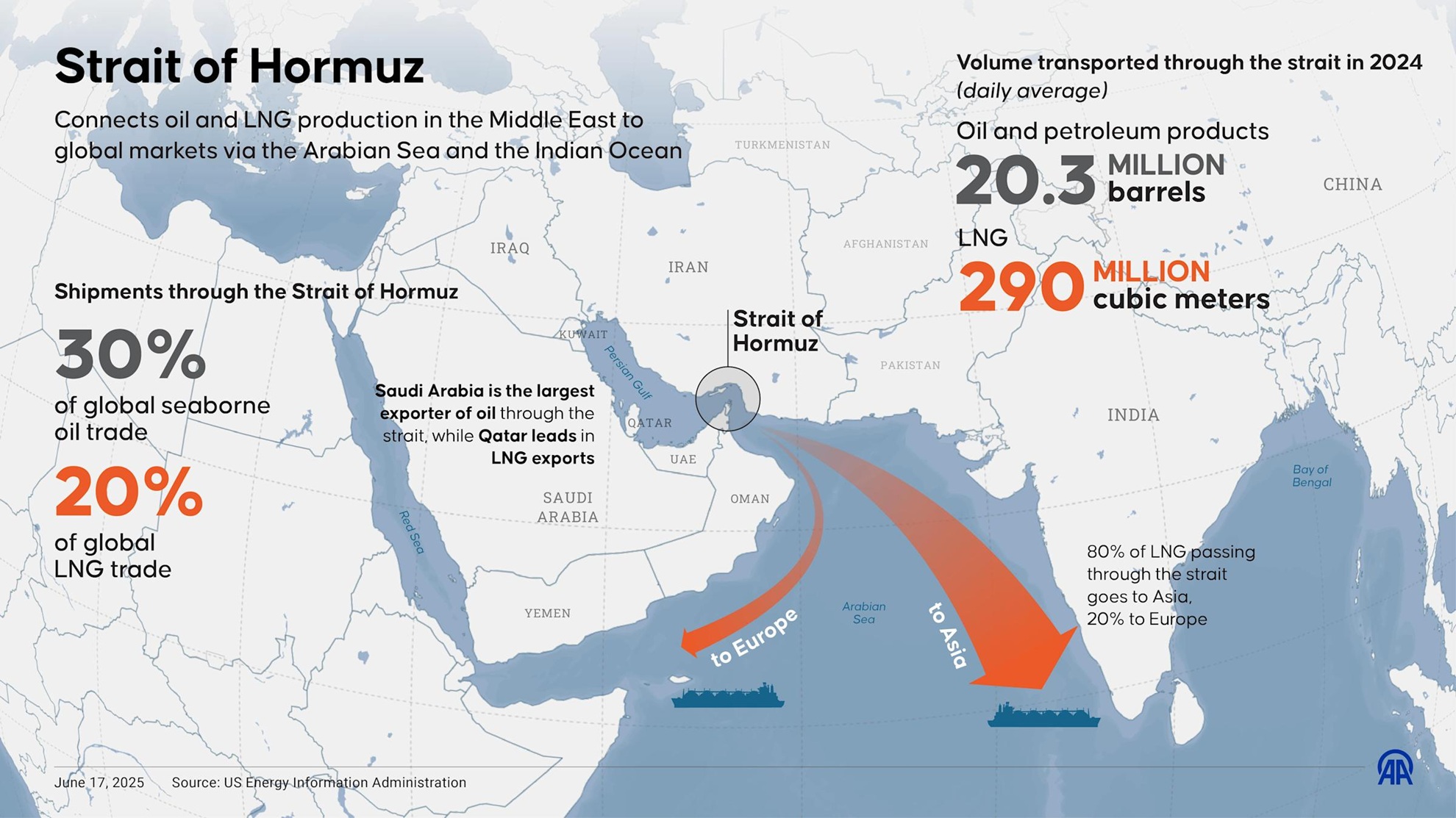
Cerca de 20 milhões de barris por dia (bpd) de petróleo e produtos petrolíferos normalmente passam pelo Estreito de Ormuz, entre o Irã e Omã, o equivalente a cerca de um quinto do consumo global de petróleo e cerca de 30% do comércio marítimo global de petróleo.
Isso é um choque de fluxo, não um problema de estoque. Os mercados de petróleo dependem do rendimento contínuo, não do armazenamento estático.
Se a interrupção persistir além de algumas semanas, o Brent poderá passar de um pico de curto prazo para um choque de preços mais amplo, com risco de estagflação.
O tráfego de petroleiros pelo estreito caiu de cerca de 135 navios por dia para menos de 15 no pico da interrupção, uma redução de aproximadamente 85%, com mais de 150 embarcações ancoradas, desviadas ou atrasadas.
Um cessar-fogo de duas semanas foi anunciado em 8 de abril, com negociações de trégua de 45 dias em andamento. O Irã sinalizou separadamente uma demanda por taxas de trânsito em embarcações que usam o estreito, o que, se formalizado, representaria um piso geopolítico permanente nos custos de energia.
Os mercados começaram a se afastar do crescimento e da exposição à tecnologia para nomes de energia e defesa, refletindo a visão de que o petróleo elevado está se tornando um custo estrutural em vez de um prêmio de risco temporário.
Institutional Grade Performance
Master the Markets with MetaTrader 5
Trade hundreds of instruments with superior speed and advanced technical analysis. Harness full EA functionality to execute your strategy.
O ponto de estrangulamento de petróleo mais crítico do mundo
O Estreito de Ormuz movimenta cerca de 20 milhões de barris por dia de petróleo e produtos petrolíferos, o equivalente a cerca de 20% do consumo global de petróleo e cerca de 30% do comércio marítimo global de petróleo. Com a demanda global de petróleo em torno de 104 milhões de bpd e a capacidade não utilizada limitada, o mercado já estava fortemente equilibrado antes da última escalada.
O estreito também é um corredor crítico para o gás natural liquefeito. Cerca de 290 milhões de metros cúbicos de GNL transitaram pela rota todos os dias, em média, em 2024, representando cerca de 20% do comércio global de GNL, com os mercados asiáticos como principal destino.
A Agência Internacional de Energia (IEA) descreveu Ormuz como o ponto de estrangulamento do trânsito de petróleo mais importante do mundo, observando que mesmo interrupções parciais podem desencadear grandes movimentos de preços. O petróleo Brent subiu acima de USD 100 o barril, refletindo tanto a rigidez física quanto o aumento do prêmio de risco geopolítico.
Fonte: Administração de Informações sobre Energia dos EUA, datada de 17 de junho de 2025, usando a média diária de 2024
Tanques ociosos enquanto os fluxos diminuem
Os dados de frete e seguro agora apontam para problemas em tempo real. Relata-se que mais de 85 grandes transportadores de petróleo bruto estão presos no Golfo Pérsico, enquanto mais de 150 navios foram ancorados, desviados ou atrasados à medida que os operadores reavaliam a segurança e a cobertura do seguro. Isso deixaria cerca de 120 milhões a 150 milhões de barris de petróleo bruto parados no mar.
Esses volumes representam apenas seis a sete dias de produção normal de Ormuz, ou pouco mais de um dia de consumo global de petróleo.
Os dados atualizados de transporte e seguro agora confirmam que mais de 150 embarcações foram ancoradas, desviadas ou atrasadas, acima das 85 relatadas inicialmente. Os 1,3 dias de cobertura do consumo global de petróleo bruto ocioso continuam sendo a restrição vinculativa: isso é um choque de fluxo, não um problema de armazenamento, e o cessar-fogo ainda não se traduziu em uma produtividade significativamente restaurada.
🌋 Trump, volatility and Hormuz.
As tariff shocks collide with a ten year extreme in oil positioning, the margin for error is zero. See the technical markers and safe haven pivots defining the current risk environment.
Os mercados de petróleo funcionam em movimento contínuo. Refinarias, plantas petroquímicas e cadeias de suprimentos globais são calibradas para entregas estáveis ao longo de rotas marítimas previsíveis. Quando os fluxos passam por um ponto de estrangulamento que carrega cerca de um quinto do consumo global de petróleo e cerca de 30% do comércio marítimo global de petróleo são interrompidos, o sistema pode passar do equilíbrio ao déficit em poucos dias.
A capacidade de produção não utilizada, amplamente concentrada na OPEP, é estimada em apenas 3 milhões a 5 milhões de bpd. Isso fica bem aquém dos volumes em risco se os fluxos de Ormuz forem severamente interrompidos.
GO Markets — Idle Tankers: Days of Cover
Oil market analysis
How long do idle tankers last?
135M idle barrels — days of cover against each demand benchmark
vs. Strait of Hormuz daily flow (20M bbl/day)
6.75 daysof Hormuz throughput covered
6.75 days
0
5
10
15
20
25
30 days
vs. Global oil consumption (104M bbl/day)
1.3 daysof world demand covered
1.3 days
0
5
10
15
20
25
30 days
vs. US Strategic Petroleum Reserve release (1M bbl/day)
135 daysof full SPR release pace covered
135 days — but SPR exists to replace this role
0
5
10
15
20
25
30 days
135M
idle barrels on tankers (midpoint of 120–150M range)
~33%
of daily Hormuz flow that is idle storage, not transit
<31 hrs
is all idle storage against global daily consumption
Indicative market trajectories based on disruption severity
Scenarios for the weeks ahead
1–2 WEEKS
Ceasefire catch-up
Markets face catch-up repricing. Brent could consolidate in the US$105–US$115 range as risk premia unwind. Brent may trade lower (US$95–US$110) if strategic stocks bridge the temporary shortfall.
2–4 WEEKS
Infrastructure blitz
Shifts to structural supply shock. Brent moving toward US$150–US$200 cannot be ruled out. This is the stagflation trigger where energy costs constrain central bank flexibility.
STRUCTURAL
Geopolitical floor
Iran's transit fee demand creates a permanent input cost. The pre-crisis price structure (US$60–US$70) may not return, embedded in insurance and freight rates.
Critical Threshold
US$120 remains the level at which energy inflation becomes a direct Federal Reserve policy problem.
Riscos de inflação e repercussões macro
O impacto inflacionário de um choque de petróleo normalmente chega em ondas. Preços mais altos de combustível e energia podem elevar a inflação global rapidamente, à medida que os custos de gasolina, diesel e energia aumentam.
Com o tempo, custos mais altos de energia podem passar por frete, alimentos, manufatura e serviços. Se a interrupção persistir, a combinação de inflação elevada e crescimento mais lento pode aumentar o risco de um ambiente estagflacionário e deixar os bancos centrais enfrentando uma difícil troca.
🛢️ Brent hits $100.
Exxon and SLB are leading the rotation out of tech. Get the price targets and technical support levels for the top 5 energy majors.
O que torna o episódio atual particularmente agudo é a falta de folga no sistema global.
A oferta e a demanda globais de cerca de 103 milhões a 104 milhões de bpd deixam pouca reserva quando um ponto de estrangulamento que movimenta quase 20 milhões de bpd, ou cerca de um quinto do consumo global de petróleo, é comprometido. A capacidade não utilizada estimada de 3 milhões a 5 milhões de bpd, principalmente dentro da OPEP, cobriria apenas uma fração dos volumes em risco.
Rotas alternativas, incluindo oleodutos que contornam Ormuz e reencaminhamentos marítimos, só podem compensar parcialmente os fluxos perdidos e, geralmente, com custos mais altos e prazos de entrega mais longos.
Conclusão
Até que o trânsito pelo Estreito de Ormuz seja restaurado e visto como confiavelmente seguro, é provável que os fluxos globais de petróleo permaneçam prejudicados e os prêmios de risco elevados. Para investidores, formuladores de políticas e tomadores de decisão corporativos, a questão central é se o petróleo pode se mover para onde precisa ir, todos os dias, sem interrupção.
Market Opportunity
Don't just watch the squeeze. Trade the framework.
As positioning gaps hit decade extremes, access advanced charting tools and real time execution on the six key markets defining this cycle.









.jpeg)