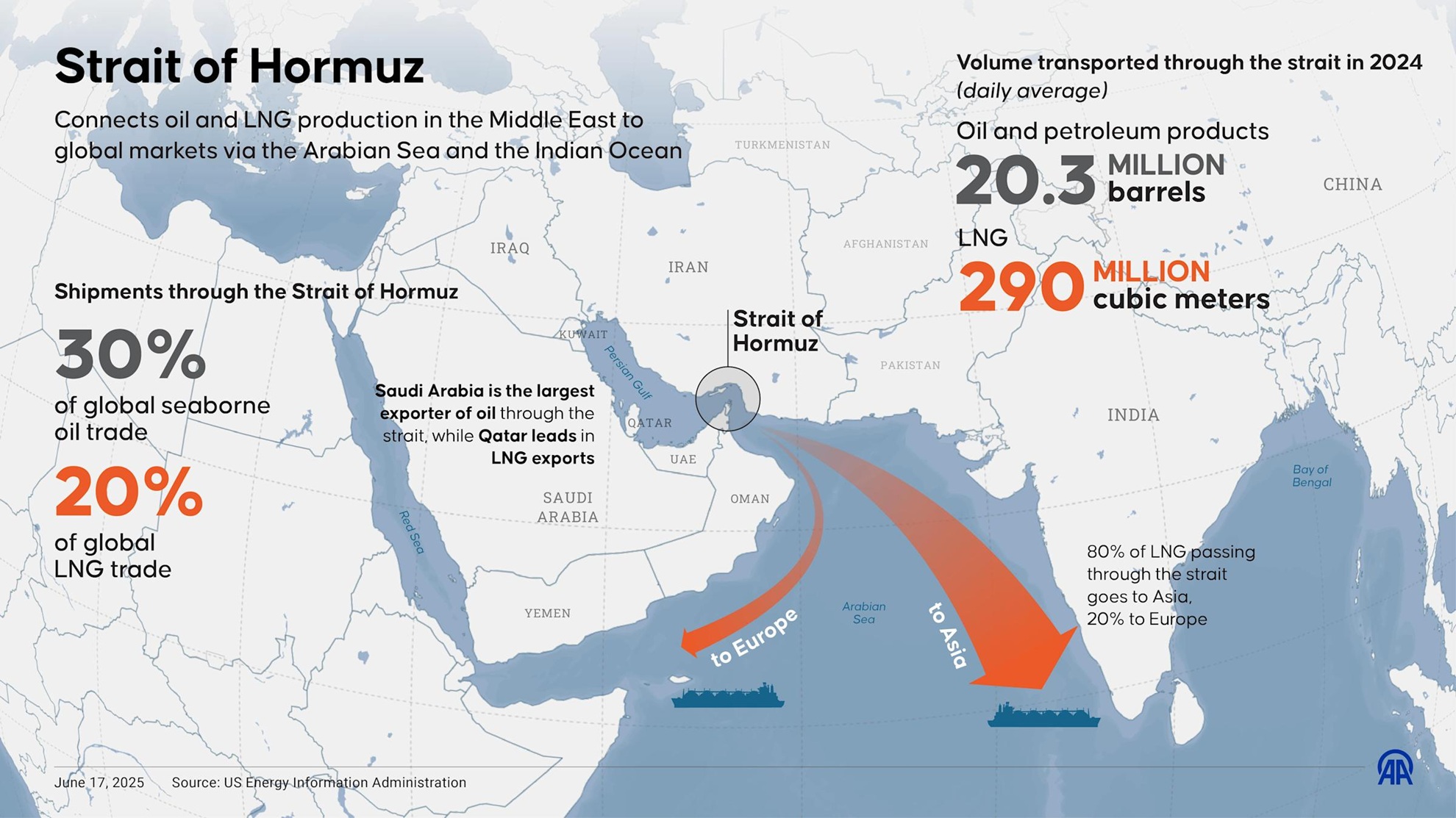
Gold had been trading strongly to the upside since the beginning of March, rising from the 1810 price area to reach the 2000 price area which was last tested in April 2022. However, after reaching the resistance area, Gold retraced lower to test the 1937.50 support area which coincides with the 38.2% Fibonacci retracement level and the bullish trendline. Currently, Gold is forming a double top chart pattern as the price again retraces from the resistance level at 2000.
With the Moving Average Convergence and Divergence (MACD) indicator signaling a potential bearish reversal, a confirmation of further downside potential could be signaled if Gold breaks below the bullish trendline. This could see the price trade lower to test the 1917 level, and beyond that, the 1887 support level which coincides with the 61.8% Fibonacci retracement level. Significant moves to the downside on Gold is likely to be driven by a recovery in the strength of the DXY, due to its inverse correlation with the reserve commodity.
Alternatively, if the market uncertainty increases, arising from further developments in the banking crisis or increased concern over possible global inflation, Gold could trade higher beyond the 2000 resistance level, which would invalidate the double-top formation. A continuation of the uptrend could see Gold trade toward the next resistance level of 2070, which was last reached in March 2022.

The information provided is of general nature only and does not take into account your personal objectives, financial situations or needs. Before acting on any information provided, you should consider whether the information is suitable for you and your personal circumstances and if necessary, seek appropriate professional advice. All opinions, conclusions, forecasts or recommendations are reasonably held at the time of compilation but are subject to change without notice. Past performance is not an indication of future performance. Go Markets Pty Ltd, ABN 85 081 864 039, AFSL 254963 is a CFD issuer, and trading carries significant risks and is not suitable for everyone. You do not own or have any interest in the rights to the underlying assets. You should consider the appropriateness by reviewing our TMD, FSG, PDS and other CFD legal documents to ensure you understand the risks before you invest in CFDs. 免责声明:文章来自 GO Markets 分析师和参与者,基于他们的独立分析或个人经验。表达的观点、意见或交易风格仅代表作者个人,不代表 GO Markets 立场。建议,(如有),具有“普遍”性,并非基于您的个人目标、财务状况或需求。在根据建议采取行动之前,请考虑该建议(如有)对您的目标、财务状况和需求的适用程度。如果建议与购买特定金融产品有关,您应该在做出任何决定之前了解并考虑该产品的产品披露声明 (PDS) 和金融服务指南 (FSG)。





.jpeg)